
Last updated September 22, 2026
Free on-site gate assessment - hinges, posts, and your LiftMaster or Nice gate operator checked before anything is quoted
The assessment is free and the quote is the invoice.
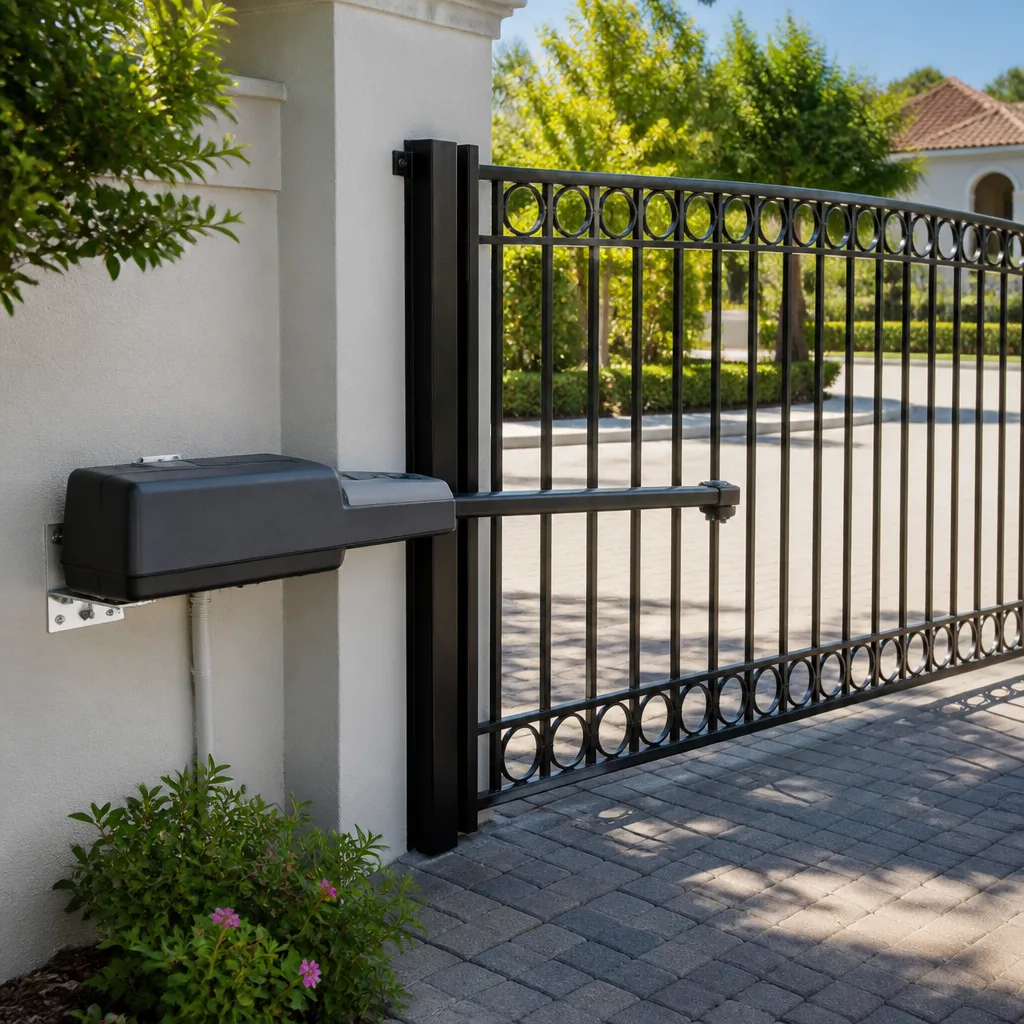
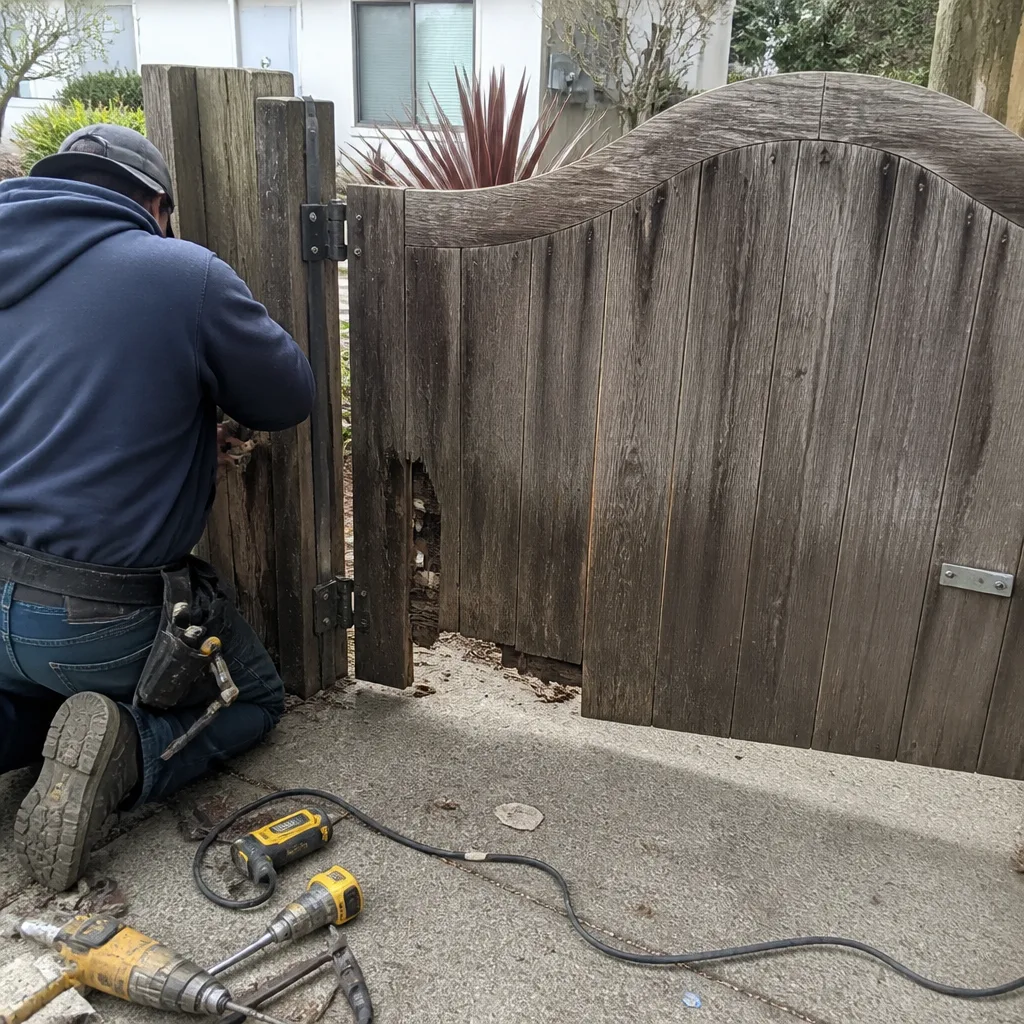 Before
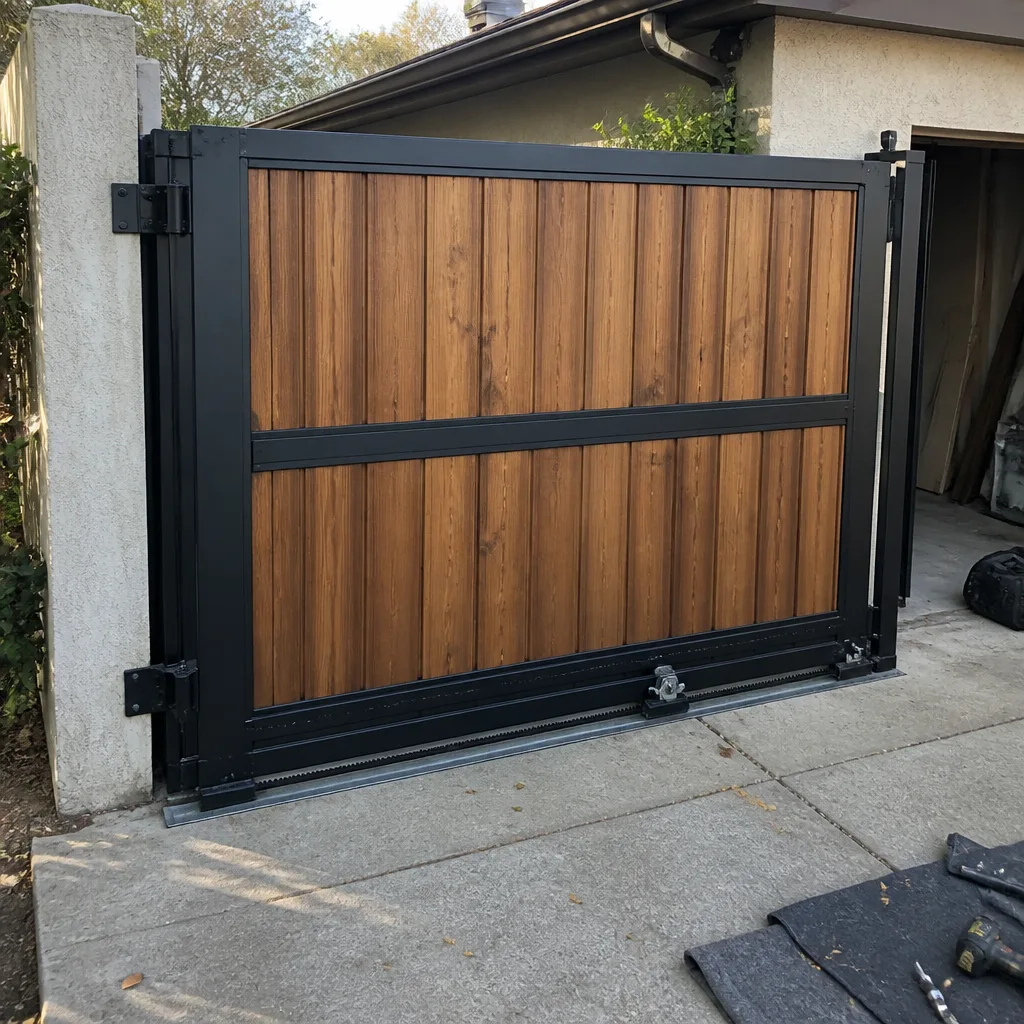 After
After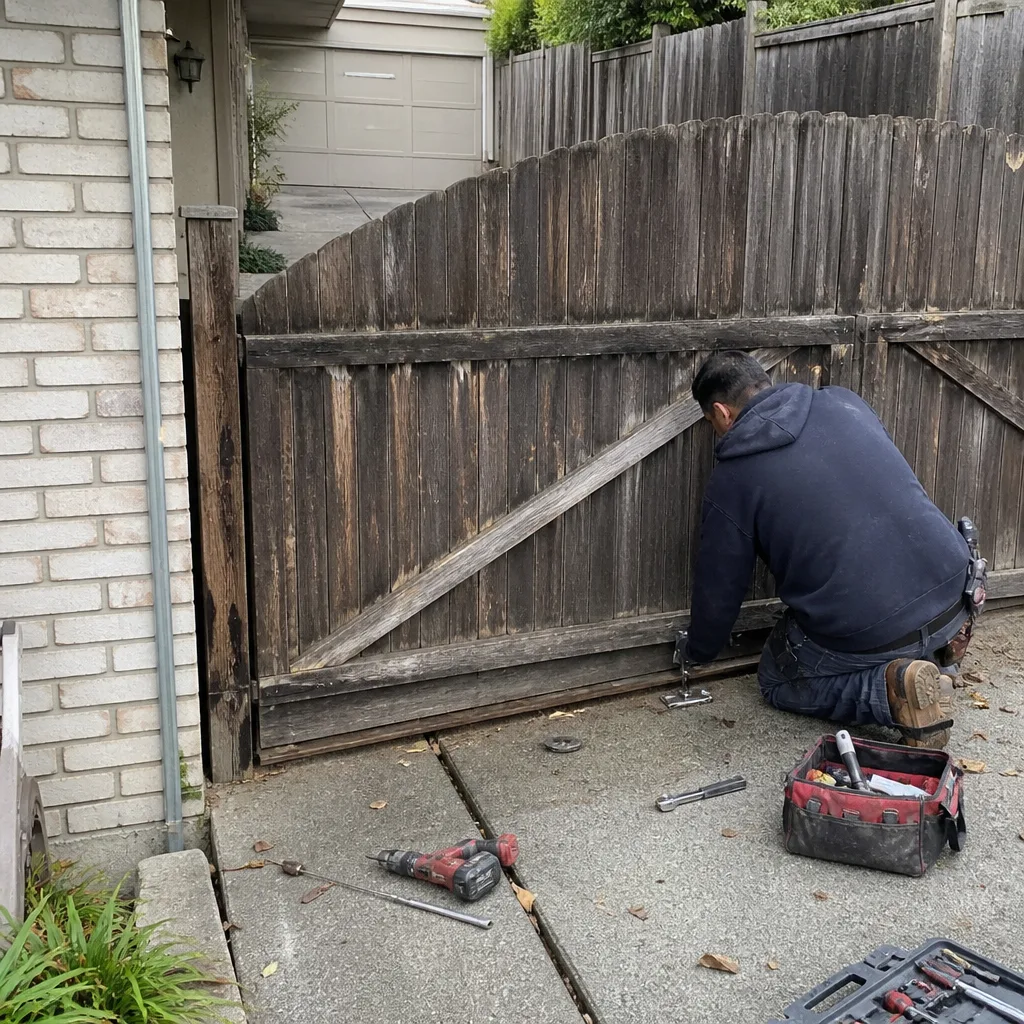 Before
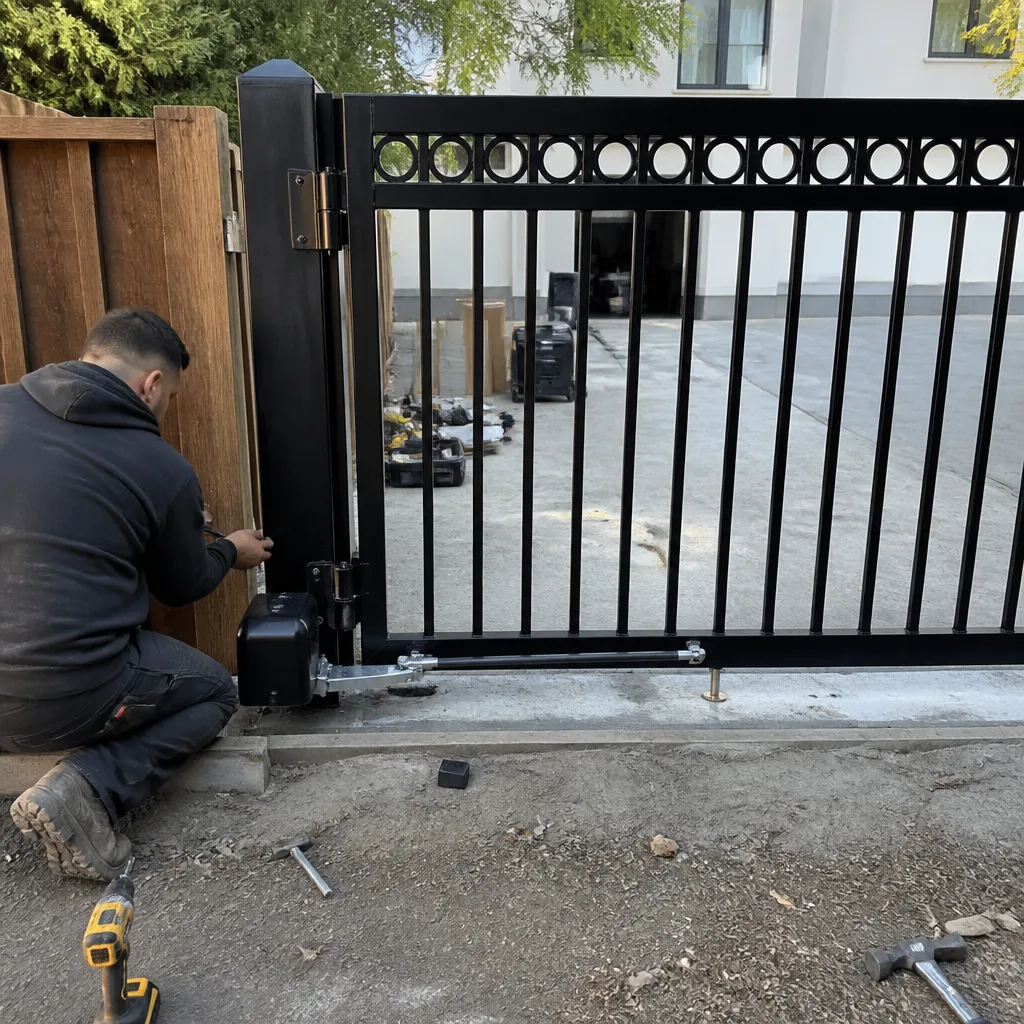 After
After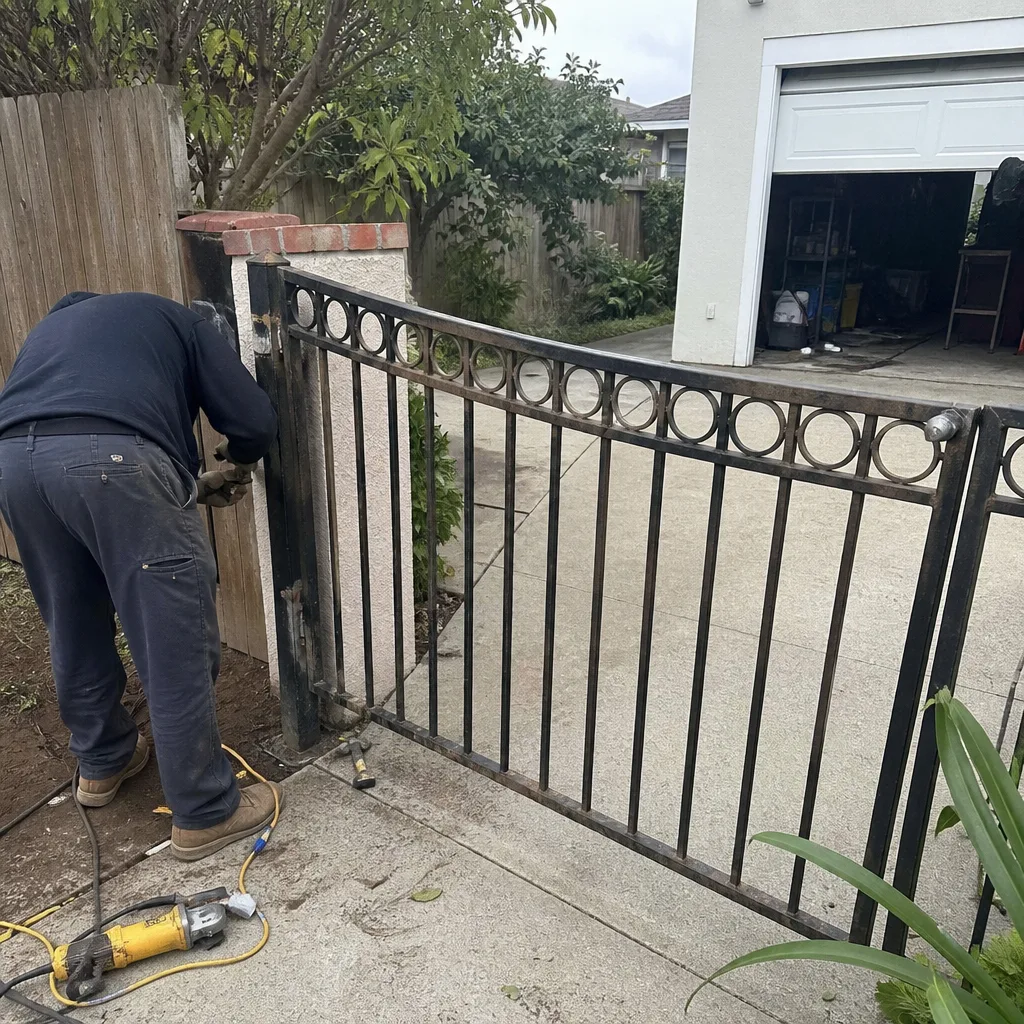 Before
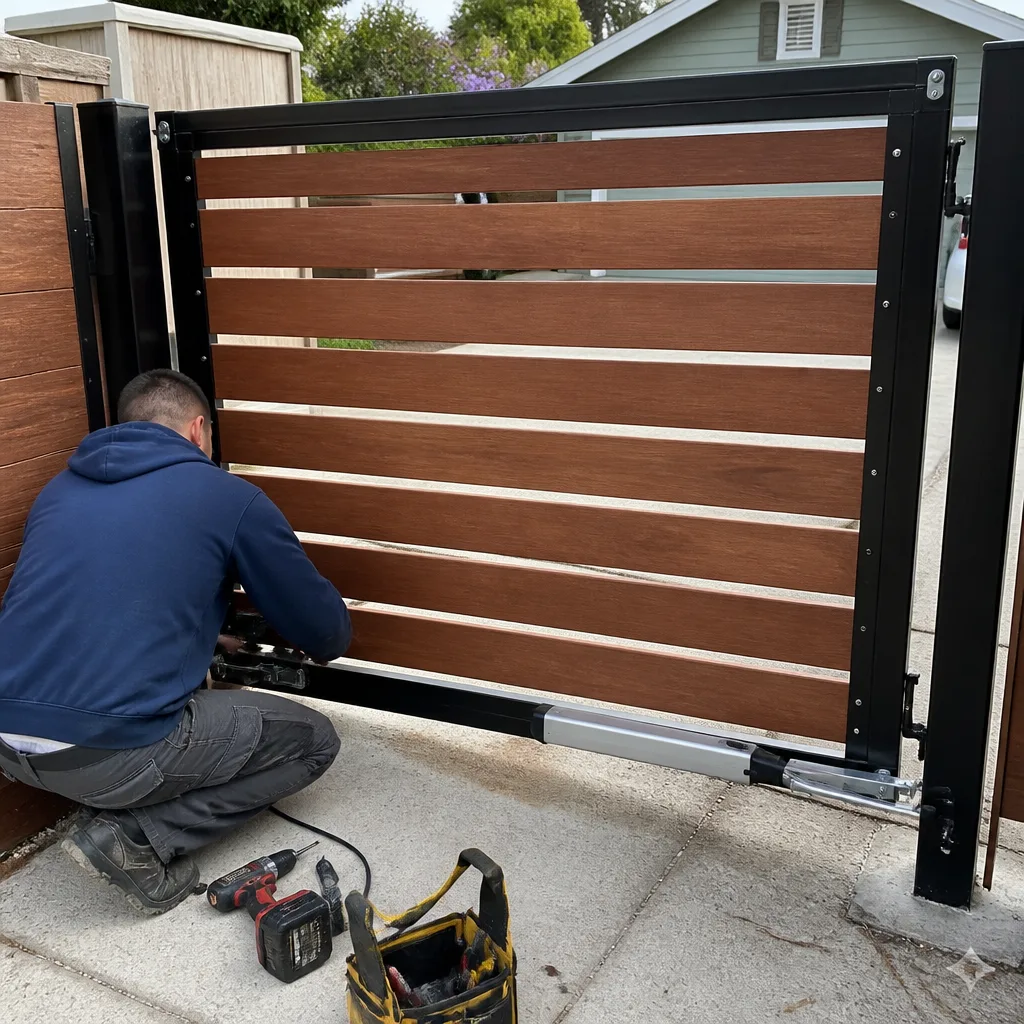 After
AfterGate Repair Cost Breakdown: The Richmond Homeowner’s Reference for 2026
Most Richmond homeowners who call us for a second opinion bring the same story: three companies visited, three numbers were spoken aloud, and the one that sounded lowest got the job. Six weeks later, the gate fails again, the invoice has grown by 40%, and no one can produce the original scope in writing. In Richmond’s gate repair market, the price you hear is rarely the price you pay when there’s no document behind it. This guide breaks down what each repair actually costs in 2026, line by line, so you can read an estimate the way we read one: as evidence of whether the contractor intends to stand behind their number. For ongoing care tips, see our Gate Repair Maintenance Checklist for Richmond Homeowners.
Quick Answer
Gate repair in Richmond, CA typically ranges from $180 for minor electrical adjustments to $2,800 for full operator replacement with post work, with most residential repairs falling between $350 and $950. The final price depends on three factors: the specific component failed, whether access requires hillside equipment, and whether the estimate was written and itemized before work began. A legitimate our Gate Repair services estimate separates parts, labor, and permit costs into distinct line items and specifies the automation brand being serviced.
Table of Contents
- Why Gate Repair Estimates in Richmond Vary So Widely
- Component-Level Cost Breakdown for 2026
- How to Read a Gate Repair Estimate Line by Line
- Why the Lowest Quote Often Costs the Most
- Richmond-Specific Cost Factors
- Using Your Post-Repair Record to Avoid Paying Twice
- Common Mistakes to Avoid
- When to Call a Professional
- Frequently Asked Questions
- The Bottom Line
 Before
 After
AfterWhy Gate Repair Estimates in Richmond Vary So Widely
The gap between a $280 repair and a $1,400 repair for what a homeowner describes as “the gate won’t open” is not markup. It’s diagnostic specificity. One estimate assumes a photo-eye realignment. The other knows the underground loop detector has failed and the control board needs reprogramming. Without a technician on site who documents what they found, both numbers are guesses.
We’ve been called to Richmond properties from the Marina Bay waterfront to the hillside homes above El Sobrante, and the spread in conditions is real. A swing gate on flat ground in the Iron Triangle takes twenty minutes to assess. The same gate on a 15-degree slope in the East Richmond Hills requires cribbing, extended travel time, and often a two-person crew for safety. These are not surcharges invented at the desk. They’re line items that honest contractors disclose before the job starts.
Three structural factors drive estimate variation in this market:
- Automation brand fragmentation: Richmond’s housing stock spans 1920s bungalows with retrofitted Ghost Controls openers to new construction with FAAC or BFT hydraulic systems. Parts availability and technician familiarity vary significantly. A company that stocks Linear and Viking components may quote a longer timeline or higher parts markup for a DoorKing system they rarely see.
- Corrosion environment: Richmond’s proximity to San Francisco Bay means salt air accelerates hinge and chain wear, particularly in neighborhoods within a mile of the water. Inland contractors quoting from Vallejo or Walnut Creek often underestimate parts replacement rates because their experience is with dust, not salt.
- Access complexity: Steep driveways, retaining walls, and narrow side yards common in Richmond’s older neighborhoods can make equipment positioning difficult. A post reset that requires a mini-excavator instead of manual digging adds $400-$800 in equipment rental.
The estimate that accounts for these factors in writing will read higher than the one that doesn’t. The question is whether the lower estimate will stay lower once work begins.
Component-Level Cost Breakdown for 2026
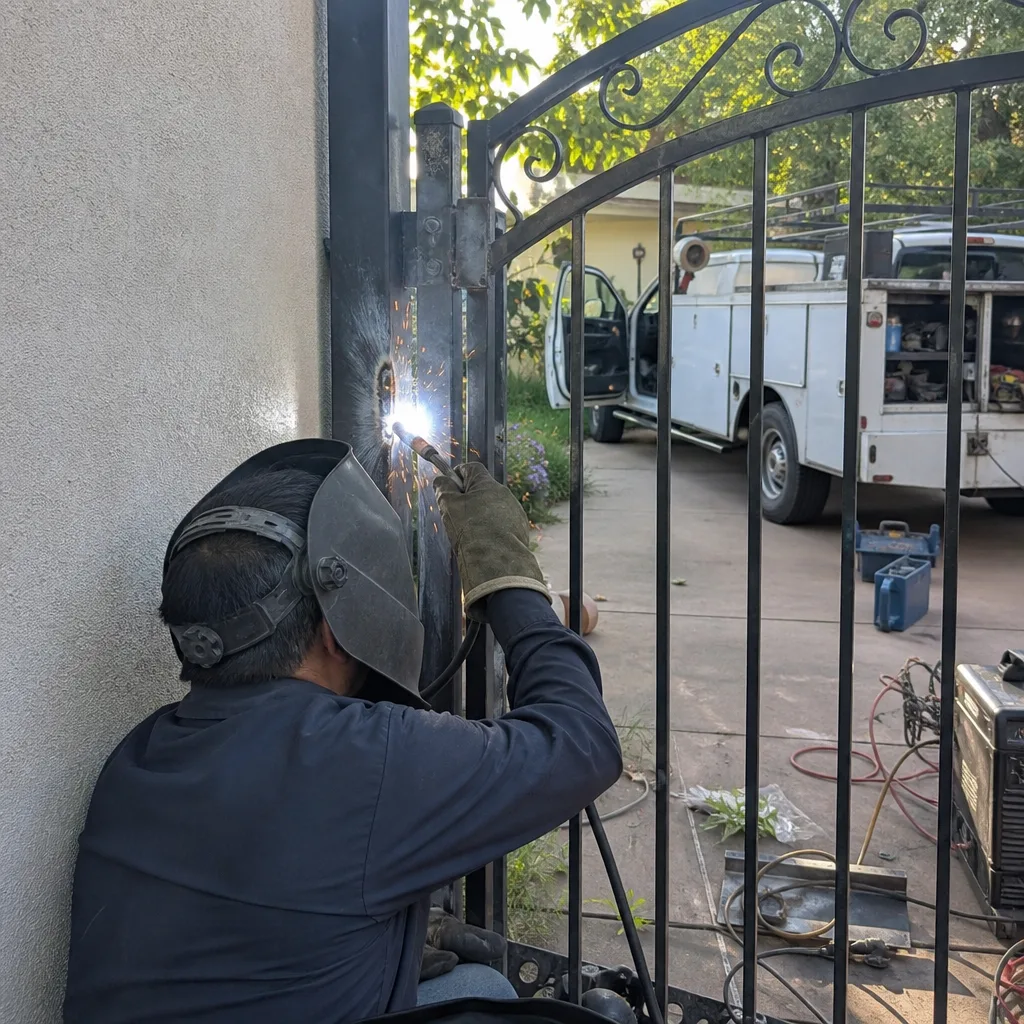
These ranges reflect Richmond’s 2026 market, including parts, labor, and standard diagnostic time. Prices assume residential single-family access during standard hours. Emergency or after-hours rates add 25-35%.
| Repair Component | Parts Range | Labor Range | Total Range |
|---|---|---|---|
| Photo-eye alignment or replacement (pair) | $45-$120 | $85-$150 | $130-$270 |
| Limit switch adjustment or replacement | $30-$75 | $75-$140 | $105-$215 |
| Control board repair or replacement | $180-$450 | $120-$220 | $300-$670 |
| Gate motor / operator repair (non-replacement) | $85-$250 | $140-$260 | $225-$510 |
| Gate motor / operator replacement (swing, single) | $650-$1,400 | $280-$480 | $930-$1,880 |
| Gate motor / operator replacement (sliding) | $850-$1,800 | $340-$580 | $1,190-$2,380 |
| Hinge rebuild or replacement (per hinge) | $35-$120 | $65-$120 | $100-$240 |
| Post reset or replacement (wood, single) | $80-$220 | $180-$350 | $260-$570 |
| Post reset or replacement (steel, concrete footing) | $140-$320 | $280-$520 | $420-$840 |
| Wiring repair (underground loop, per loop) | $60-$140 | $160-$300 | $220-$440 |
| Wiring repair (low-voltage control, per run) | $25-$75 | $85-$160 | $110-$235 |
| Chain or belt replacement (sliding gate) | $85-$200 | $140-$260 | $225-$460 |
| Access control keypad or card reader replacement | $120-$380 | $95-$180 | $215-$560 |
| Intercom system repair or replacement | $180-$520 | $140-$280 | $320-$800 |
These ranges assume the existing infrastructure is largely intact. When corrosion, rot, or previous substandard work requires remediation, costs increase proportionally. In the Marina Bay and Point Richmond areas, we replace hinge pins at roughly twice the inland rate due to salt exposure. The parts cost the same. The frequency of replacement is what changes.
For gate motor and opener service in Richmond, operator replacement represents the largest single expense most homeowners face. The brand matters: a Linear or Mighty Mule replacement typically falls in the lower half of the range above, while FAAC or BFT hydraulic operators for heavy ornamental gates push the upper bound. We service all nine major brands and do not steer customers toward replacement when repair is viable, but we will document when a motor’s winding insulation is failing or the gearbox has metal contamination that makes repair uneconomical.
How to Read a Gate Repair Estimate Line by Line
A legitimate gate repair estimate is a scope document, not a number. Here’s what each section should contain and what its absence signals.
1. Diagnostic Findings
The estimate should open with what the technician found, in specific terms. “Photo-eye misaligned 2.5 inches, west side” is evidence. “Sensor issue” is not. Without documented findings, you cannot verify that the proposed repair addresses the actual failure.
2. Proposed Work, Itemized
Each distinct task should appear as its own line:
- Realign photo-eye pair, test obstruction response
- Replace 18V low-voltage control wire, conduit run 14 feet
- Reprogram control board, document limit-switch positions
Bundled descriptions like “fix electrical” or “repair gate system” allow scope expansion. Itemization prevents it.
3. Parts Specification
Every part should carry a manufacturer part number or equivalent specification. “Control board” is insufficient. “LiftMaster K001A7967 logic board, 24V” is sufficient. This matters for warranty claims and for ensuring the same part isn’t billed twice if the repair fails.
4. Labor Hours and Rate
Labor should show hours and hourly rate, or a flat rate with the equivalent hours noted. Hidden labor appears when a “flat fee” has no hour basis and the job runs three hours longer than estimated. The contractor absorbs that risk with a true flat rate. The customer absorbs it with a vague one.
5. Permit and Inspection Line (When Required)
Richmond requires permits for new gate installations and for structural modifications to existing gates; see Gate Repair Permits, Codes & Inspections in CA: What You Need to Know for full requirements. Simple repairs typically do not trigger permitting, but post replacement or operator relocation may. The estimate should state whether a permit is included, its cost, and who files it.
6. Warranty Terms
The duration, coverage, and process for warranty claims should be explicit. Our Vance Gate Repair Richmond home page details the 365-Day Done Right Promise, but any warranty shorter than 90 days for parts and labor should prompt questions.
7. Total and Signature Block
The total should be the arithmetic sum of the above. Both technician and homeowner should sign before work begins. Under the Haven Standard, this document is Clause 1: the written price before any work starts.
Red flags in estimate format: single-line totals with no breakdown, verbal-only quotes with “I’ll email it later,” parts described only as “miscellaneous,” or labor calculated after the job is complete.
Why the Lowest Quote Often Costs the Most
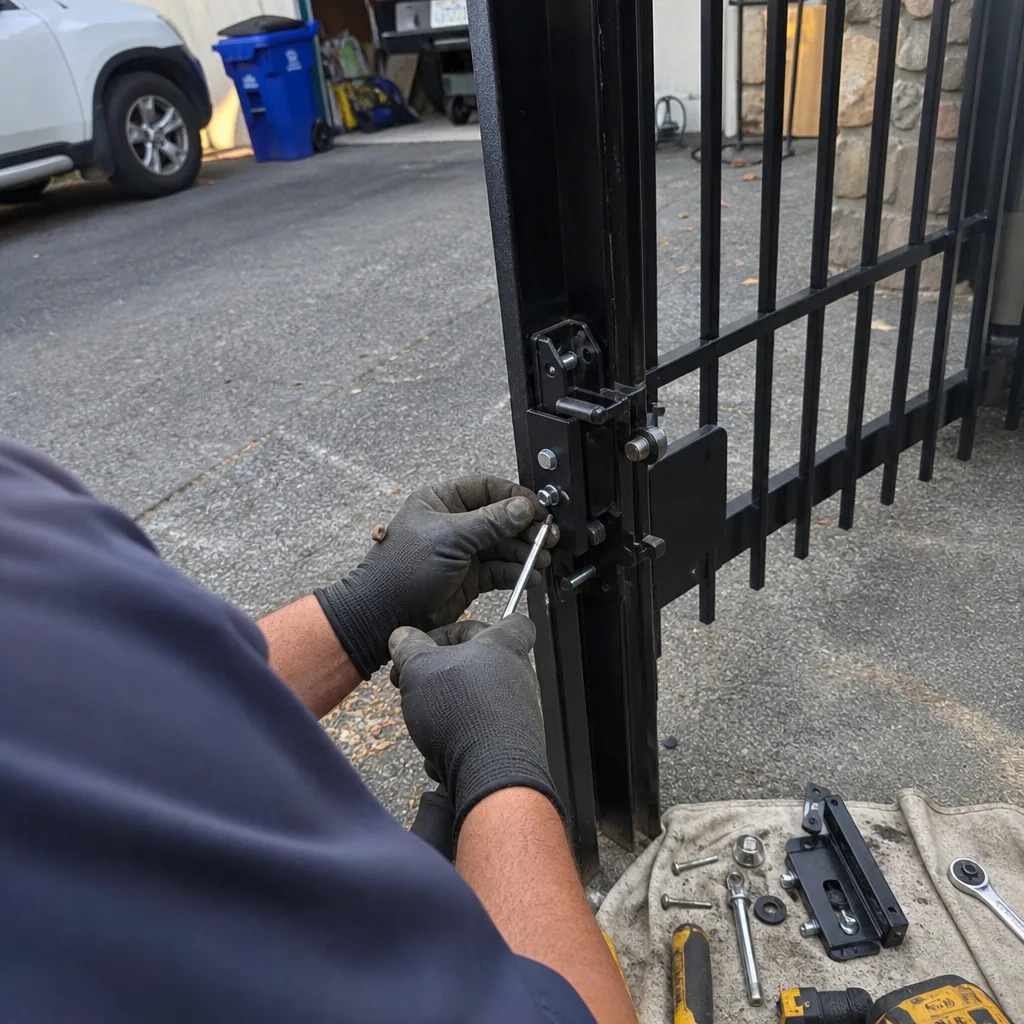
The homeowner who selects the lowest of three verbal quotes is not comparing prices. They’re comparing three undefined scopes, each of which can expand once work begins. This is not hypothetical. We see it weekly in Richmond.
Here’s the mechanism. A contractor quotes $350 verbally for “gate repair.” The homeowner accepts. The technician arrives, discovers the control board has failed, and announces the repair will actually cost $890. The homeowner is now captive: the gate is disassembled, the household is inconvenienced, and sunk cost psychology takes over. The original $350 was never a real price. It was an access fee.
Three structural conditions create this outcome:
- Intentional under-scoping: The contractor knows additional work is likely but omits it from the verbal quote to win the job. This is common with operators nearing end of life, where a “tune-up” quote ignores the motor’s metal contamination or winding resistance readings.
- Diagnostic charging after arrival: The low quote covers “diagnosis” only, with repair billed separately at undisclosed rates. By the time the homeowner sees the real price, the diagnostic fee is sunk and the gate is in pieces.
- Subcontractor markup: The company that quoted does not employ gate specialists. They dispatch a general handyman who lacks parts inventory, diagnoses slowly, and bills hourly while ordering components. The low quote assumed efficiency that doesn’t exist.
The written estimate prevents all three. When every component and hour is specified in advance, the contractor bears the risk of under-scoping, not the homeowner. If we quote $670 for a control board replacement and discover additional wiring damage during the job, we document it, present a revised written scope, and obtain signature before continuing. The homeowner decides, not the invoice.
Our gate repair in Richmond service operates under this constraint: no work without a written price. It occasionally costs us jobs to competitors who quote lower verbally. It more often saves homeowners from the $350-to-$890 trajectory that generates our second-opinion calls.
Richmond-Specific Cost Factors
Geography and regulation in Richmond create cost conditions that inland contractors may not anticipate. These factors belong in an honest estimate.
Salt Corrosion Premium
Properties within approximately one mile of San Francisco Bay experience accelerated corrosion on exposed metal components. In the Marina Bay, Point Richmond, and southern Richmond waterfront areas, we replace hinge pins, chain links, and operator mounting hardware at roughly 1.5-2x the rate seen in inland Contra Costa County. An estimate that assumes standard wear intervals will understate parts replacement frequency for these locations.
Hillside Access Surcharges
Richmond’s topography includes significant elevation change, particularly in the East Richmond Hills and areas above Interstate 80. Equipment access for post replacement or operator installation may require:
- Compact excavator rental: $280-$450 per day
- Additional crew member for material handling: $180-$280
- Extended setup and breakdown time: 1-2 hours
These are not arbitrary surcharges. They reflect actual equipment and labor costs that flat-ground estimates omit.
Permit Requirements
The City of Richmond Building & Safety Division requires permits for:
- New gate installation (structural and electrical)
- Post replacement affecting footing depth or location
- Operator relocation or upgrade affecting electrical supply
Permit fees in 2026 run $180-$340 for residential gate projects, with inspection scheduling typically adding 3-7 business days to project timeline. Simple repairs, photo-eye replacement, and control board swaps on existing posts do not require permitting. A contractor who includes permit costs without confirming necessity is padding the estimate. One who omits required permits is exposing the homeowner to code violation and potential resale complications.
Soil Conditions
Richmond’s varied geology includes bay mud, alluvium, and engineered fill. Post stability in bay mud areas, particularly near the waterfront, may require deeper footings or helical piers that add $200-$600 to post replacement costs. A technician who does not probe or specify soil conditions is guessing at footing adequacy.
Utility Coordination
Underground wiring repair may require PG&E or municipal utility marking. In Richmond, USA North 811 locates are legally required for digging deeper than 12 inches and typically process within 2-3 business days. Emergency repairs sometimes proceed with hand digging and visual confirmation, but this slows the job and adds labor hours. Estimates should specify whether utility marking is included and who coordinates it.
For gate installation in Richmond, these factors compound. New construction on hillside lots with bay mud and utility complexity can push installation costs 40-60% above flat-ground inland equivalents. The estimate that acknowledges this in writing is more reliable than the one that discovers it during excavation.
Using Your Post-Repair Record to Avoid Paying Twice
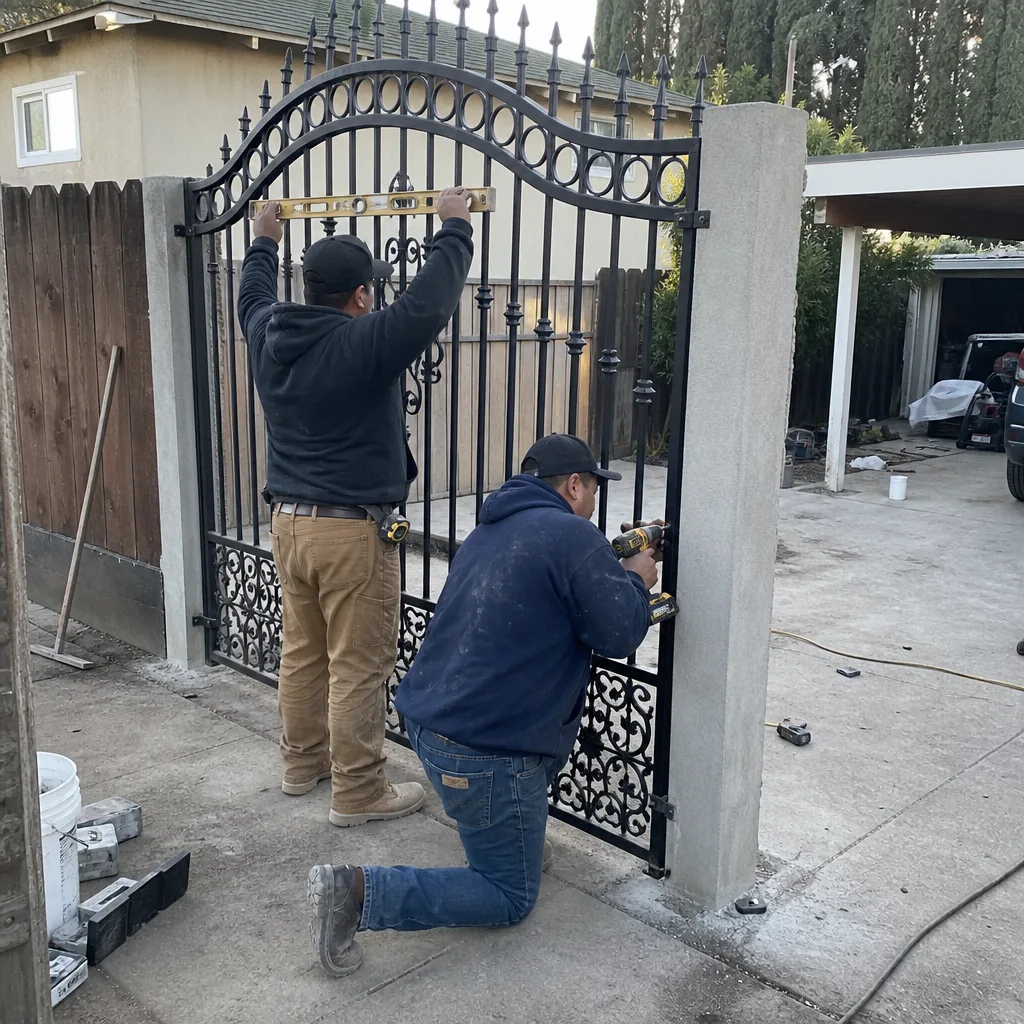
The final invoice is not the end of the transaction. The documented record you receive afterward is what prevents you from paying for the same repair twice. Under the Haven Standard, every Vance Gate Repair visit produces this record at no additional charge. Here’s what it should contain and how to use it.
What the Record Should Include
- Photographic evidence of findings: Images of the failed component before removal, showing condition and position. A photo-eye misalignment should show the beam path and obstruction. A worn hinge should show play or corrosion.
- Photographic evidence of completed work: The installed part, its part number visible where possible, and its position. Control board programming screens showing limit-switch values. Torque settings on operator arms.
- Written adjustment log: Specific measurements: “Limit switch set at 87 degrees open, 3 degrees closed.” “Photo-eye aligned to 28 inches above grade, beam centered.” These values allow any future technician to verify whether drift has occurred.
- Part numbers and warranty terms: Manufacturer, model, serial where applicable, and warranty duration. This enables warranty claims without relying on contractor record-keeping.
- Technician identification: Name, date, and company. Background-checked, uniformed technicians should have no objection to being identified.
How to File and Use It
Store the record with your property documents. When the same symptom recurs, present it to the next technician before they begin diagnostic work. If the limit switch was set at 87 degrees and now reads 94 degrees, the technician knows to look for mechanical binding or electrical interference rather than starting diagnosis from zero. This saves diagnostic time and prevents redundant parts replacement.
If a different company performs subsequent work, the record establishes baseline condition. “The control board was replaced 14 months ago with part number K001A7967” directs warranty inquiry to the correct component. Without this documentation, every repair starts from ignorance, and ignorance is expensive.
We file these records in our job database and can reproduce them on request. For more guides & resources, visit our blog. Homeowners who keep their copy reduce their lifetime gate maintenance costs by avoiding redundant diagnosis and parts.
Common Mistakes to Avoid
- Accepting verbal-only quotes: A price spoken aloud has no fixed meaning. The same words describe different scopes to different people. Written estimates are not bureaucracy. They are the only protection against scope expansion.
- Ignoring automation brand specialization: A contractor who stocks only one brand will tend toward replacement rather than repair for all others. Confirm the company services your specific operator before scheduling. We work on Linear, Viking, Ghost Controls, DoorKing, and five additional major brands.
- Neglecting to ask about permit requirements: Unpermitted structural work can complicate home sales and insurance claims. A contractor who dismisses permitting questions is not saving you money. They’re transferring risk.
- Assuming all “warranties” are equal: A 30-day labor warranty with no parts coverage is not comparable to a 365-day promise on both. Read terms, not just duration.
- Failing to document pre-existing condition: Photograph your gate before any technician arrives. If damage occurs during service, you need baseline evidence. This is particularly important for ornamental ironwork in Richmond’s historic neighborhoods.
- Choosing speed over specificity: “Same-day” service that arrives without parts inventory results in multiple trips and accumulated hourly charges. A scheduled visit with confirmed parts availability is often faster in calendar days and always more predictable in cost.
- Discarding post-repair documentation: The paper or PDF you receive after the job is often more valuable than the invoice. It is the evidence that prevents paying twice for the same problem.
When to Call a Professional
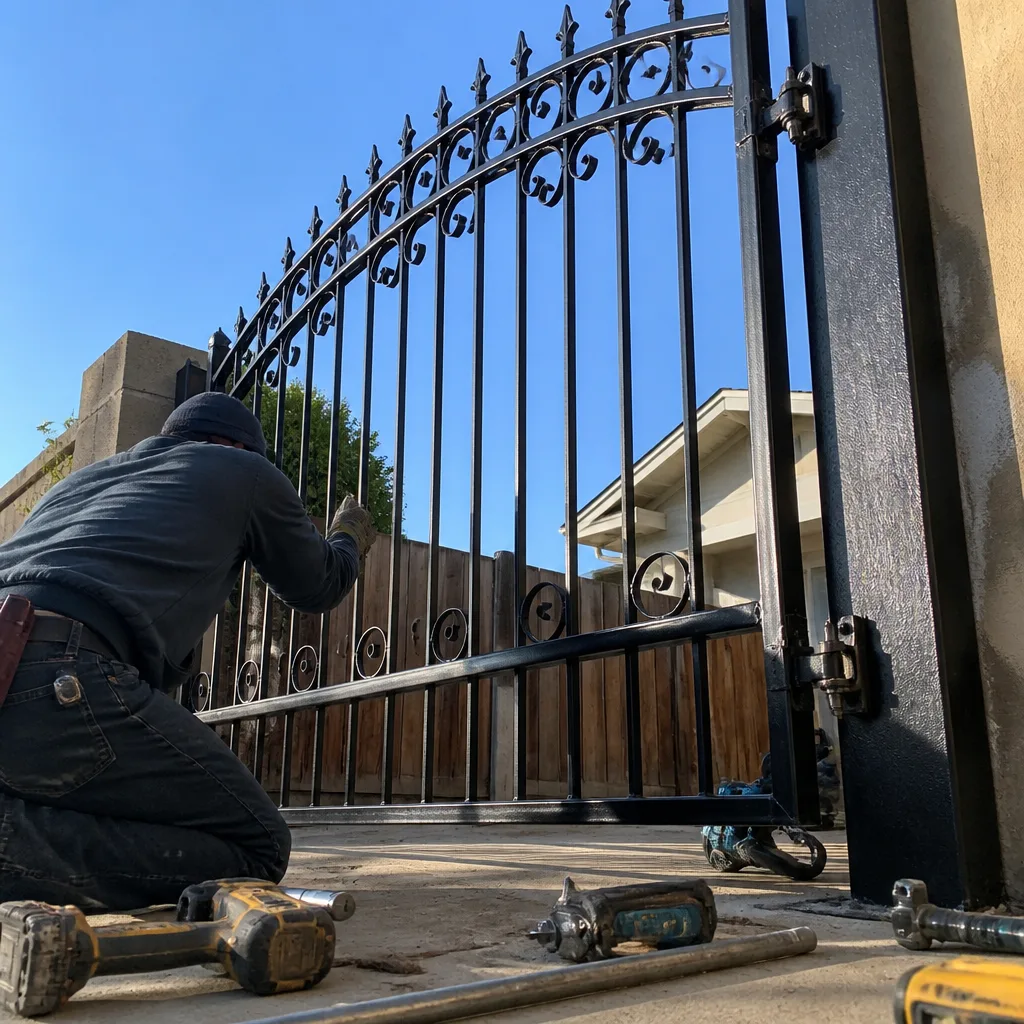
Some gate symptoms indicate conditions that worsen with delay or pose genuine safety risks. Call a qualified technician when:
- The gate reverses unpredictably or fails to reverse on obstruction, creating collision or entrapment risk
- You hear grinding, clicking, or binding from the operator, indicating mechanical failure in progress
- The gate sags, drags, or requires manual force to move, suggesting post or hinge failure
- Electrical components show corrosion, moisture intrusion, or burned odor
- Access control fails to respond or responds intermittently, compromising security
Vance Gate Repair Richmond offers free estimates in Richmond. A technician will assess your gate, document findings, and provide a written, itemized price before any work begins. Call (510) 944-0953 to schedule. A live person answers at any hour.
Frequently Asked Questions
Most residential gate repairs in Richmond fall between $350 and $950, with minor electrical adjustments starting around $180 and full operator replacement ranging from $930 to $2,380 depending on gate type and brand. The specific cost depends on which component failed, access conditions, and whether the estimate was itemized in writing before work started. Call (510) 944-0953 for a free, written estimate with no obligation.
They usually don’t describe the same problem. A verbal quote for “the gate won’t open” could assume photo-eye realignment ($130-$270) or control board replacement ($300-$670) or full operator failure ($930-$1,880). Without documented diagnostic findings, the numbers are not comparable. The written estimate with itemized findings is the only quote that can be evaluated against others.
No. Estimates are free and include documented diagnostic findings, a written itemized price, and no obligation. We also provide free second opinions on any written estimate from another company. Bring the paperwork and we will review it at no cost.
Most repairs complete in 1.5 to 3 hours on site. Parts availability affects scheduling: common components for major brands like Linear, Viking, and DoorKing are typically in stock, while specialized FAAC or BFT hydraulic parts may require 2-4 business days. We confirm parts status when scheduling to avoid multiple trips.
A legitimate estimate includes: specific diagnostic findings in writing, itemized tasks with individual prices, manufacturer part numbers for all components, labor hours and rates or flat-rate equivalents with hour basis, permit costs if applicable, warranty terms with duration and coverage, and a total with signature blocks for both parties before work begins.
Salt air within approximately one mile of San Francisco Bay accelerates corrosion on hinges, chains, and exposed hardware. Properties in Marina Bay, Point Richmond, and southern Richmond waterfront areas typically require hinge pin and hardware replacement at 1.5-2x the rate of inland locations. Estimates should reflect this increased replacement frequency rather than assuming standard wear intervals.
You should receive photographic evidence of the original condition and completed work, a written log of all adjustments with specific measurements, part numbers and warranty terms, and technician identification with date. This record allows any future technician to verify baseline condition and prevents paying for redundant diagnosis or parts replacement.
The Bottom Line
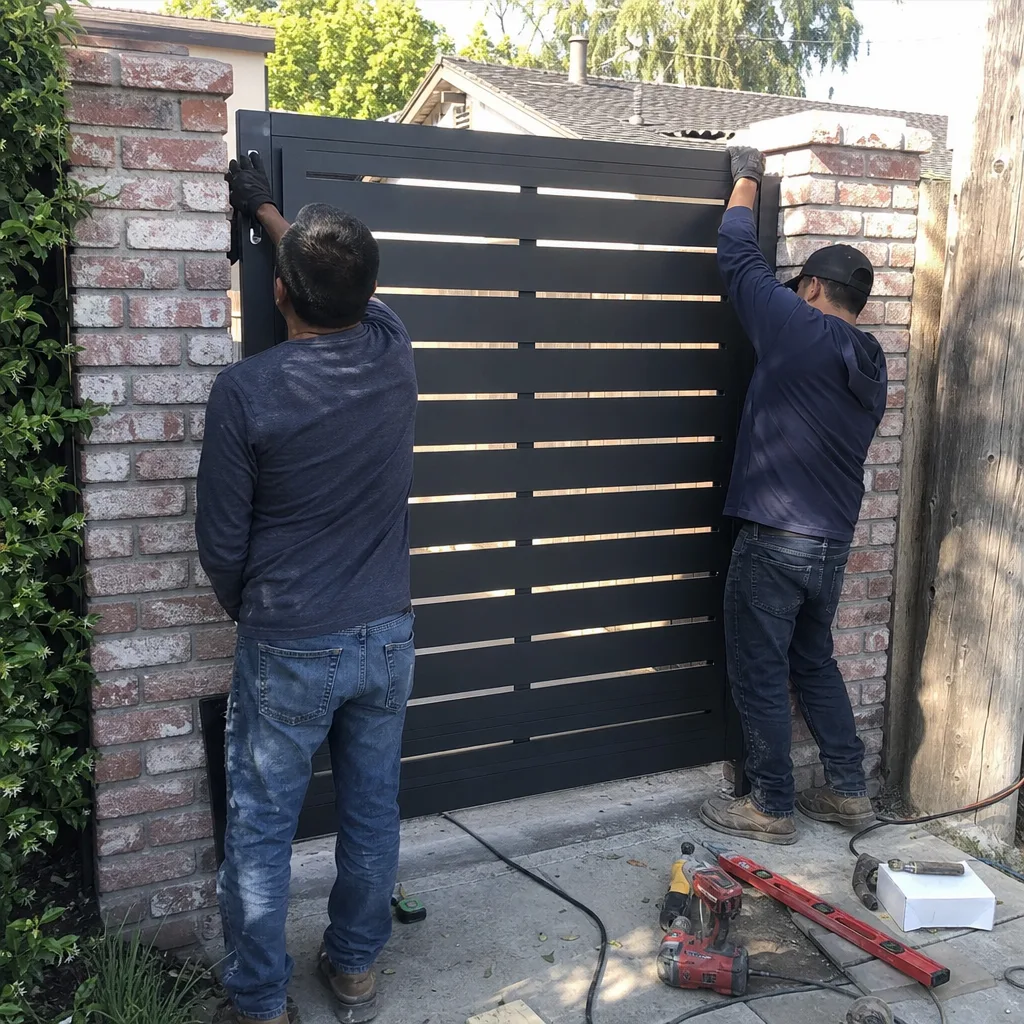
Gate repair pricing in Richmond is knowable and comparable, but only when estimates are written, itemized, and signed before work begins. The verbal quote, however low, creates the conditions for cost expansion and repeated failure. The documented repair, with photographic evidence and specific adjustment values, protects against paying twice for the same problem. In a market where most companies operate on handshake and memory, the written scope is the difference between a price and a promise.
Written by Adrian Vance, Owner at Vance Gate Repair Richmond, serving Richmond since 2014.