
Last updated September 22, 2026
Free on-site gate assessment - hinges, posts, and your LiftMaster or Nice gate operator checked before anything is quoted
The assessment is free and the quote is the invoice.
 Before
 After
After Before
 After
After Before
 After
AfterGate Repair Warning Signs: A Richmond Homeowner’s Reference Guide
A gate that hesitates for two seconds before moving and a gate that moves slowly the entire cycle are both “slow gates” to most homeowners, but the first is almost always a limit-switch issue and the second is almost always a motor or obstruction issue. Confusing them sends technicians in the wrong direction on your dime. In Richmond, where clay-heavy soils shift with winter rains and summer drought, we’ve seen $90 adjustments escalate into $900 motor replacements because a homeowner described “slowness” without noting when it happened. This guide - and our How to Hire a Gate Repair Contractor in Richmond: A Step-by-Step Guide - give you the diagnostic vocabulary to report what you’re observing with the precision that saves money and prevents callbacks.
Quick Answer
Most gate failures in Richmond announce themselves through three categories of warning signs: mechanical sounds (grinding, clicking, or abrupt silence), behavioral changes (hesitation, partial opening, or phantom reversal), and environmental triggers (heat-related shutdowns, cold-weather stiffness, or post-rain electrical faults). The critical distinction is whether the gate can still close and latch securely - if it cannot, the property is unsecured and the system should be shut down until repaired. Document the symptom with a 10-second video noting the time of day and temperature; this single clip typically eliminates half of the diagnostic bill.
Table of Contents
- Sound-Based Warning Signs: What the Noise Tells You
- Movement and Timing Symptoms
- Richmond-Specific Conditions That Mask or Mimic Gate Failure
- Warning Signs That Require Immediate Shutdown
- How to Document a Warning Sign Usefully
- UL 325 Failures and Homeowner Legal Liability
- Symptom-to-Cost Mapping: From Adjustment to Replacement
- Preventive Checks That Catch Warning Signs Early
 Before
 After
AfterSound-Based Warning Signs: What the Noise Tells You
Sound is the most reliable diagnostic tool a homeowner has, and it’s the one most often described poorly. “Grinding” and “clicking” are not interchangeable. They point to entirely different failure modes with cost differences that can exceed $800.
Grinding during travel usually indicates mechanical wear in the drive system. On a swing gate, this often traces to a dry or failing gearbox in the motor arm - common on older LiftMaster and FAAC units after seven to ten years of service. On a slide gate, grinding typically means the chain or rack is running dry against the drive sprocket, or the nylon guide rollers have worn through to their metal cores. In Richmond’s industrial-adjacent neighborhoods like Iron Triangle and near the Richmond Parkway, we’ve noticed accelerated roller wear from fine particulate that settles on lubricated surfaces and acts as grinding compound.
Clicking without movement is almost always electrical. The control board is sending voltage to the motor, but the motor isn’t responding. This can be a failed start capacitor (roughly $180-$260 parts and labor), a seized motor bearing, or - on systems with separate control and motor enclosures - a corroded connection at the junction box. Richmond’s proximity to the Bay means salt air corrosion on outdoor electrical enclosures, particularly in Marina Bay and Point Richmond properties within a half-mile of the water. The click you hear is the relay closing; the silence that follows is the current failing to reach the motor windings.
Grinding only at the end of travel suggests the limit switches are misaligned or the mechanical stops are being hit before the electrical limits engage. This is a $90-$150 adjustment in most cases, but if ignored for weeks, the repeated impact stress cracks the gearbox housing and turns it into a $700 motor replacement.
Abrupt silence mid-cycle is the most serious sound warning. The system has detected a fault and shut down. Possible causes include thermal overload (motor overheated), entrapment sensor activation (photo-eye or edge sensor), or control board failure. Note whether the silence is accompanied by any LED pattern on the control enclosure - most LiftMaster, Linear, and BFT boards flash diagnostic codes that a technician can read over the phone.
- Grinding + continuous movement: Mechanical wear - schedule service within 1-2 weeks
- Clicking + no movement: Electrical fault - safe to operate manually if needed, but diagnose within days
- Grinding + end-of-travel only: Limit switch drift - adjustment needed, moderate urgency
- Silence mid-cycle: Protective shutdown - do not force operation, call for diagnosis
Movement and Timing Symptoms
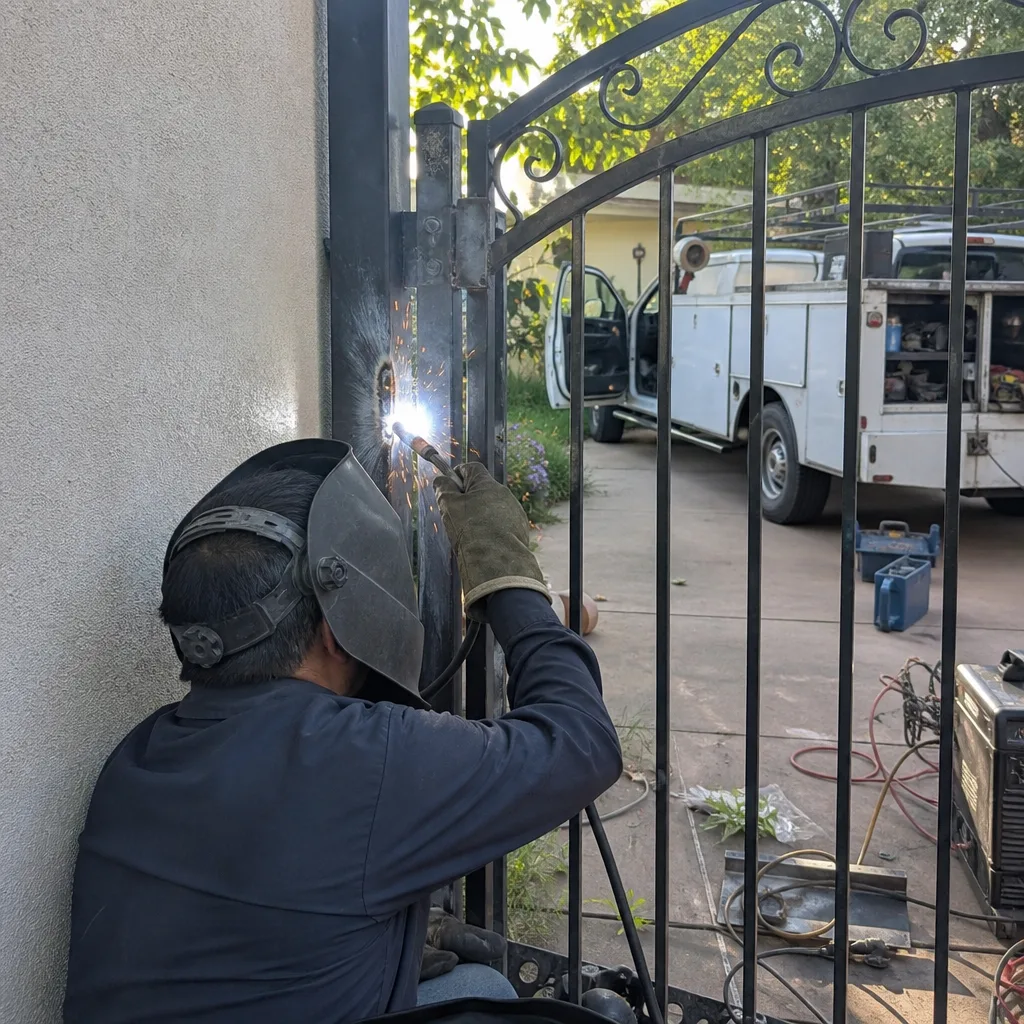
Timing is everything in gate diagnostics. The same symptom described two different ways leads to two different repair paths.
Hesitation at start, then normal speed: This pattern points to limit-switch or encoder issues. The control board isn’t certain where the gate is in its travel cycle, so it performs a brief “search” movement before committing to full speed. On gate motor and opener systems in Richmond, we see this frequently after power outages or voltage fluctuations - the control loses its position reference and needs recalibration. The fix is typically a 20-minute reset and limit reprogramming, sometimes with a new encoder disk if the original is cracked. Cost range: $90-$180.
Slow movement throughout entire cycle: This indicates insufficient torque delivery. Causes include motor degradation (worn brushes or failing windings), mechanical binding in the track or hinges, or - on slide gates - debris accumulation in the guide channel. Richmond’s eucalyptus and oak drop significant debris in autumn; we’ve extracted enough leaf matter from slide-gate channels in the East Richmond hills to explain 40% draw increases on motor amp readings. The motor is working harder against resistance it wasn’t designed for. Continuing to operate in this condition overheats the motor and shortens its remaining life by months.
Partial opening or closing: When a gate stops at the same point every time, the issue is almost always a hard limit or a physical obstruction at that specific location. When it stops at varying points, the problem is typically thermal - the motor overheats and the thermal cutoff engages at unpredictable intervals based on ambient temperature and cycle frequency. Richmond summer afternoons above 85°F push marginal motors into thermal shutdown; we’ve logged cases where a gate operated normally until 2 PM and failed reliably by 4 PM on the same July day.
Phantom reversal: The gate begins to close, then reverses as if it hit something. This is an entrapment protection activation - photo-eye misalignment, edge sensor fault, or excessive sensitivity in the current-sensing circuit. In Richmond’s fog-prone mornings, condensation on photo-eye lenses causes enough light scatter to trigger false obstruction readings. Salt film on lenses near the Bay compounds this. The gate isn’t malfunctioning; it’s responding to a signal it interprets as a safety hazard. But the reversal behavior itself becomes hazardous if it prevents the gate from securing the property.
- Note the exact timing: Does slowness begin 0.5 seconds after start, or is it slow from the first millimeter?
- Count the cycles: Does the failure occur on the first operation of the day, or only after repeated use?
- Test temperature correlation: Does the symptom appear in morning fog, afternoon heat, or evening cool-down?
- Check for pattern consistency: Same failure point every time, or variable?
Richmond-Specific Conditions That Mask or Mimic Gate Failure
Richmond’s geography and infrastructure create gate symptoms that don’t appear in standard troubleshooting manuals. Understanding these local conditions prevents misdiagnosis and unnecessary parts replacement.
Clay-soil post lean. Richmond sits on expansive clay soils that swell with winter rainfall and contract through the dry summer. A gate post that was plumb in October may lean 2-3 degrees by March. The homeowner sees “the gate doesn’t latch anymore” or “the gate is dragging.” A technician who doesn’t recognize soil-shift post lean may replace hinges, adjust the motor arm, or even recommend a new operator - when the actual fix is post re-plumbing and concrete reinforcement. In the Richmond Annex and areas below the 580 corridor, we’ve documented post movement exceeding 4 inches annually on properties without proper drainage. Before authorizing any major repair for latching or dragging issues, ask whether the posts have been checked for plumb with a level.
BART corridor vibration. Properties within 800 feet of BART tracks - notably in the Iron Triangle, Coronado, and portions of North & East - experience continuous low-frequency vibration from passing trains. This vibration loosens hardware over time: hinge bolts, track mounting brackets, control enclosure screws, and terminal block connections. The symptom pattern is intermittent electrical fault that clears when connections are reseated, or gradual gate sag that doesn’t correlate with soil conditions. We’ve found terminal blocks on gate repair calls in Richmond where set screws had backed out enough to create arcing damage - a fire hazard hidden behind what looked like “occasional” malfunction.
Salt corrosion on photo-eye lenses. Marine air in Point Richmond, Marina Bay, and Brickyard Cove deposits salt film on optical surfaces. The symptom is phantom reversal, typically worse on foggy mornings when moisture activates the salt residue. Cleaning the lens with fresh water and a lint-free cloth often resolves it immediately. Replacement of the photo-eye pair is unnecessary unless the lens is etched or the emitter has actually failed - which we confirm with a multimeter reading, not guesswork.
Underground conduit flooding. Richmond’s winter storms and aging drainage infrastructure mean underground electrical runs to gate systems periodically flood. The symptom is complete electrical failure after heavy rain, sometimes clearing after 48-72 hours of dry weather as water recedes. The control board and motor may be fine; the problem is compromised splices in the conduit. We’ve traced this in the El Sobrante-adjacent hills where properties have long driveway runs with original PVC conduit installed without proper slope for drainage. The repair is locating and re-splicing the failed junction, not replacing the motor.
Power quality issues. Richmond’s older electrical infrastructure, particularly in pre-1970 neighborhoods, delivers voltage that fluctuates more than modern gate electronics tolerate. Symptoms include control board resets, erratic LED behavior, and shortened component life. A gate system that fails repeatedly with no clear pattern may need a power-quality investigation - line voltage monitoring during peak and off-peak hours - rather than parts replacement.
Warning Signs That Require Immediate Shutdown
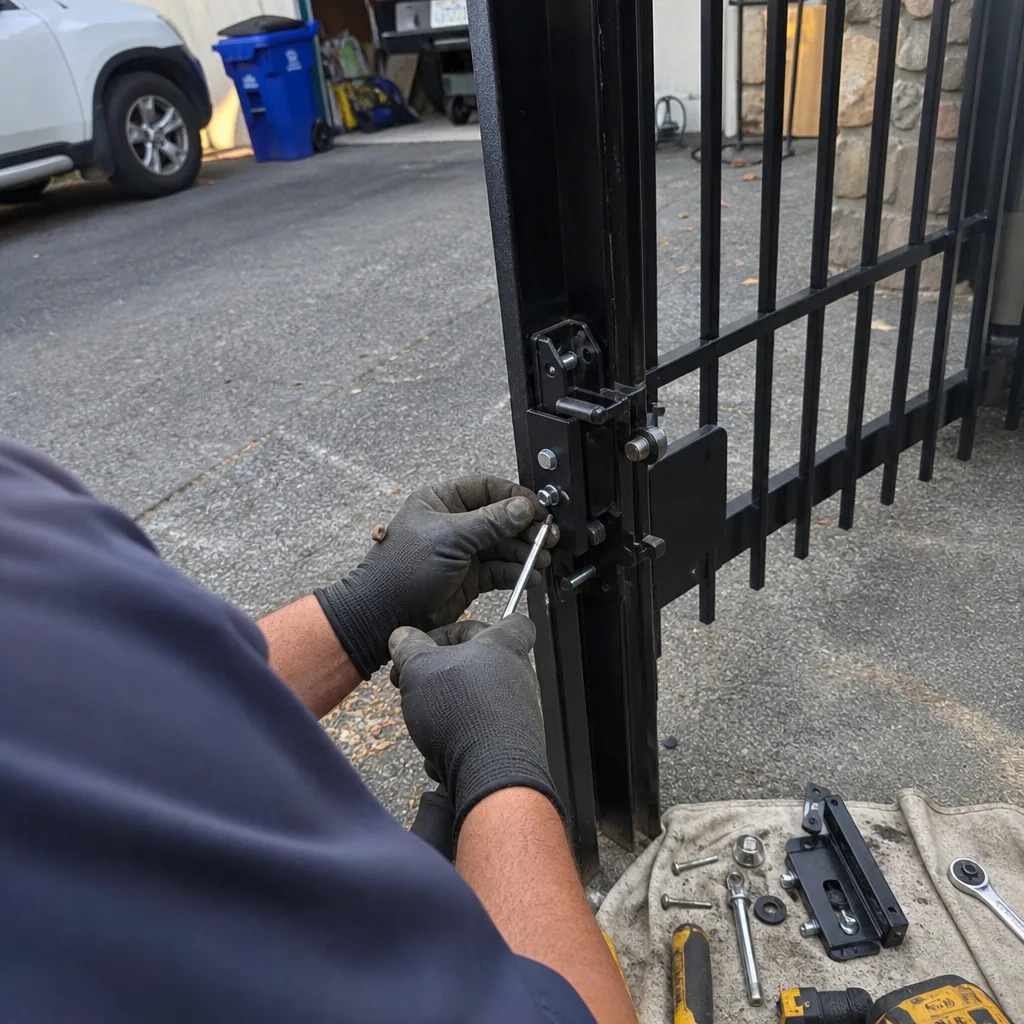
Some symptoms permit continued careful operation while awaiting service. Others mean the gate should not be operated again until repaired. The difference is safety, not convenience.
Gate fails to fully close and latch. An unlatched gate is an unsecured property. More critically, a partially closed gate presents entrapment risk - a person or pet can enter the gap and be struck if the gate resumes operation unexpectedly. If the gate cannot complete its close cycle and achieve positive latch engagement, shut it down and secure it manually.
Visible sparking or burning odor from control enclosure. Electrical fire risk. Shut off power at the disconnect and do not restore it until inspected. This is non-negotiable; we’ve seen delayed response to this symptom result in enclosure fires that damaged adjacent structures.
Gate moves with erratic speed or direction changes. Unpredictable motion is more dangerous than no motion. A gate that suddenly reverses direction, speeds up mid-cycle, or “hunts” back and forth has a control system fault that could cause impact injury. The motor and mechanics may be sound; the control logic is not.
Broken or detached gate arm / chain / belt. On swing gates, a detached operator arm can swing freely and strike vehicles or persons. On slide gates, a broken chain can whip when the motor engages. Shut down and secure the gate in its current position.
Photo-eye or edge sensor visibly damaged or missing. UL 325 requires functioning entrapment protection. Operating a gate with defeated safety devices is a liability exposure and, in some jurisdictions, a code violation. More immediately, it risks injury to anyone in the gate’s path.
Structural damage to gate frame or support posts. A gate that operates on a compromised structure can collapse during motion. We’ve responded to calls in Richmond where continued operation on a cracked weld or rotted post resulted in a 400-pound iron gate falling from its hinges.
The shutdown procedure is simple: disconnect power at the breaker or disconnect switch, engage any manual release mechanism, and secure the gate in its current position with chain or blocking if it cannot latch. Then call for service. Under the Haven Standard, we document the shutdown condition photographically before any work begins, so there’s a clear record of what was found.
How to Document a Warning Sign Usefully
The quality of your report determines the efficiency of the repair. A well-documented symptom typically cuts diagnostic time by 30-50%, which translates directly to labor cost savings.
Video over description. A 10-second video clip of the gate operating (or failing to operate) contains more diagnostic information than paragraphs of text. Capture: the full cycle from start to finish, the control enclosure LED status during operation, and the ambient conditions (daylight, temperature, recent weather). If the symptom is intermittent, video multiple cycles - the pattern often reveals itself on review.
Photograph specific elements:
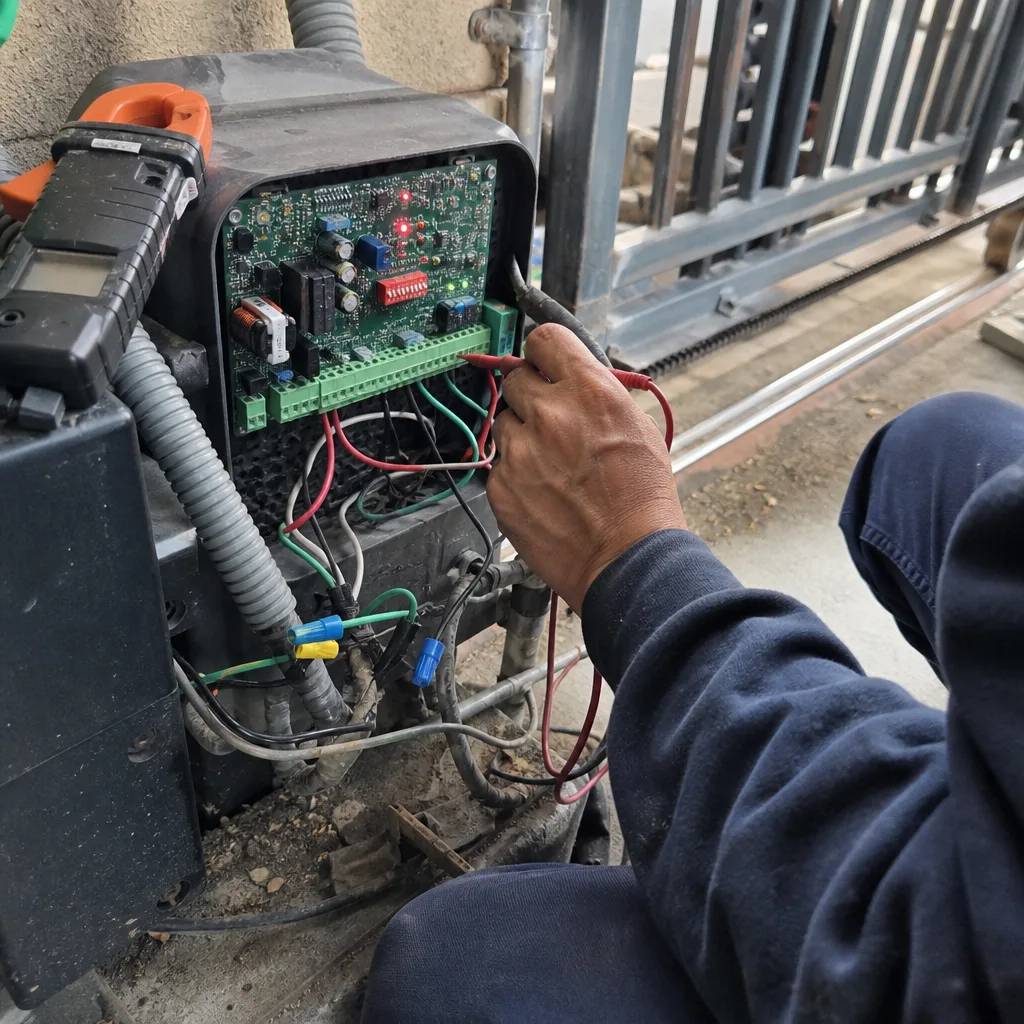
- The control enclosure with the cover open, showing LED status and any visible damage
- The motor/operator nameplate - brand, model, and serial number
- The gate in its failed position, with reference to the post or track for scale
- Any visible wear: cracked welds, rust patterns, debris accumulation, hardware looseness
- The photo-eye alignment - both sender and receiver, showing any obstruction or misalignment
Log the conditions: Time of day, temperature, weather in preceding 48 hours, number of cycles before failure, whether the failure is consistent or variable, and any recent power outages or electrical work on the property. In Richmond, we specifically ask whether the property experienced flooding, whether BART construction or seismic retrofit work has occurred nearby, and whether any landscaping or drainage work happened in the previous six months - all of which can affect gate systems.
Preserve the evidence: Don’t clean, adjust, or “try to fix it” before the technician arrives. We’ve had homeowners realign photo-eyes, clear debris, or reset breakers - which resolves the immediate symptom but destroys the diagnostic trail. The condition as found is the most valuable information we have. Under Haven Standard Clause 4, we photograph what we found; if you’ve already altered it, we’re documenting your repair attempt, not the original fault.
When you call Vance Gate Repair Richmond at (510) 944-0953, you can text these photos and videos directly to the technician dispatched to your property. We review them before arrival so we bring the correct parts and don’t charge diagnostic time for what you’ve already shown us.
UL 325 Failures and Homeowner Legal Liability
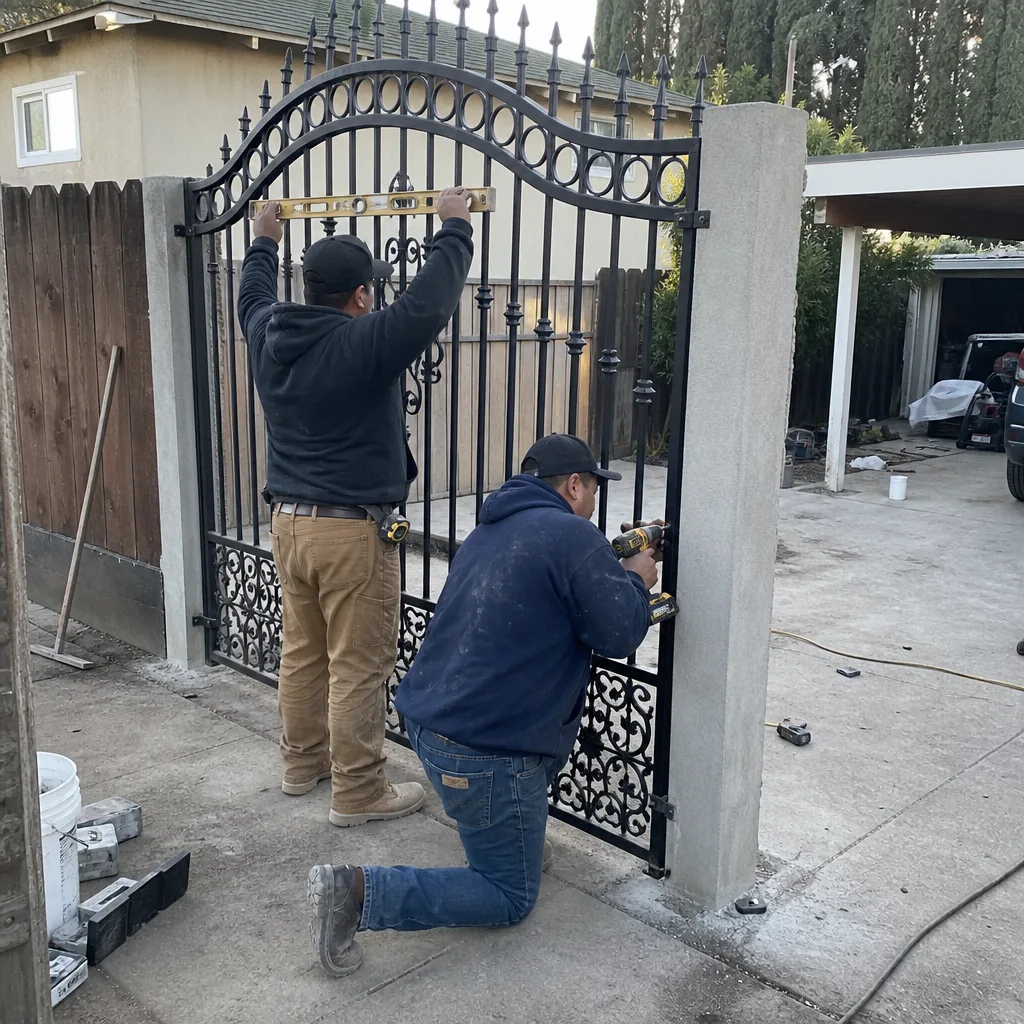
UL 325 is the safety standard governing automated gate systems. It mandates specific entrapment protection: photo-eyes for horizontal slide gates, contact sensors (edge sensors) for swing gates, and inherent force limitation tested to defined thresholds. When these systems fail, the legal exposure shifts to the property owner.
What constitutes a UL 325 failure: A photo-eye that doesn’t reverse the gate when interrupted. An edge sensor that doesn’t stop and reverse on contact. A gate that exerts more than 40 pounds of force during normal operation. A gate that lacks the required secondary entrapment protection for its type. These aren’t technicalities; they’re the difference between a system that meets code and one that creates liability.
Homeowner responsibility in Richmond: California property law generally holds landowners liable for dangerous conditions they knew or should have known about. A gate with defeated safety devices, or with documented malfunction that wasn’t addressed, becomes evidence in any injury claim. We’ve been called as expert witnesses in cases where a homeowner’s maintenance records - or lack thereof - determined liability outcomes.
The documentation habit protects you. Under the Haven Standard, every Vance visit leaves a written record of safety-device function test results. If a photo-eye was tested and passed, it’s documented. If it failed and was replaced, that’s documented too. This record becomes your evidence of due diligence if questions arise later. We recommend homeowners retain these records for the life of the system plus seven years - the typical statute of limitations for personal injury claims in California.
Specific Richmond consideration: Properties with short-term rentals, home-based businesses with client traffic, or multi-family configurations face heightened scrutiny. A single entrapment incident on a property with commercial foot traffic can trigger OSHA or Cal/OSHA interest in addition to civil liability. The $200 photo-eye replacement is trivial against this exposure.
Symptom-to-Cost Mapping: From Adjustment to Replacement
Precision in symptom description prevents sticker shock and callback disputes. Here’s what specific warning signs typically cost to resolve in the Richmond market, based on our 22,000+ jobs since 2014.
| Symptom | Most Likely Cause | Typical Range | Time to Complete |
|---|---|---|---|
| Hesitation at start only | Limit switch / encoder reset | $90-$180 | 30-60 min |
| Slow throughout cycle, no noise | Debris binding, dry track, or weak motor | $150-$340 | 1-2 hours |
| Grinding, continuous | Gearbox wear, dry chain, failed rollers | $280-$650 | 2-4 hours |
| Clicking, no movement | Capacitor, connection, or motor failure | $180-$720 | 1-3 hours |
| Phantom reversal | Photo-eye alignment, cleaning, or replacement | $90-$340 | 30-90 min |
| Complete electrical failure after rain | Underground splice or conduit issue | $280-$580 | 2-4 hours |
| Thermal shutdown, afternoon only | Motor undersized or failing, ventilation | $450-$920 | 3-5 hours |
| Post lean, latching failure | Soil shift, post re-plumbing | $580-$1,400 | 4-8 hours |
These ranges reflect our written-price practice - the flat price is established and agreed before any work begins, per Haven Standard Clause 1. We don’t estimate low and invoice high. If diagnosis reveals a cause outside the expected range, we stop, explain, and obtain written authorization before proceeding.
Motor replacement costs vary significantly by brand. A LiftMaster LA500 series arm replacement runs differently than a FAAC 415 or BFT SUB assembly. We service nine major brands - gate installation in Richmond or repair, we work with what’s installed rather than steering toward replacement. Our inventory covers common failures for all nine brands, so most jobs complete in one visit.
The 365-Day Done Right Promise covers all completed work. If a repair doesn’t resolve the symptom, or if a related issue emerges within the year, we make it right at no additional charge. No argument, no fee, no expiration date within that window.
Preventive Checks That Catch Warning Signs Early
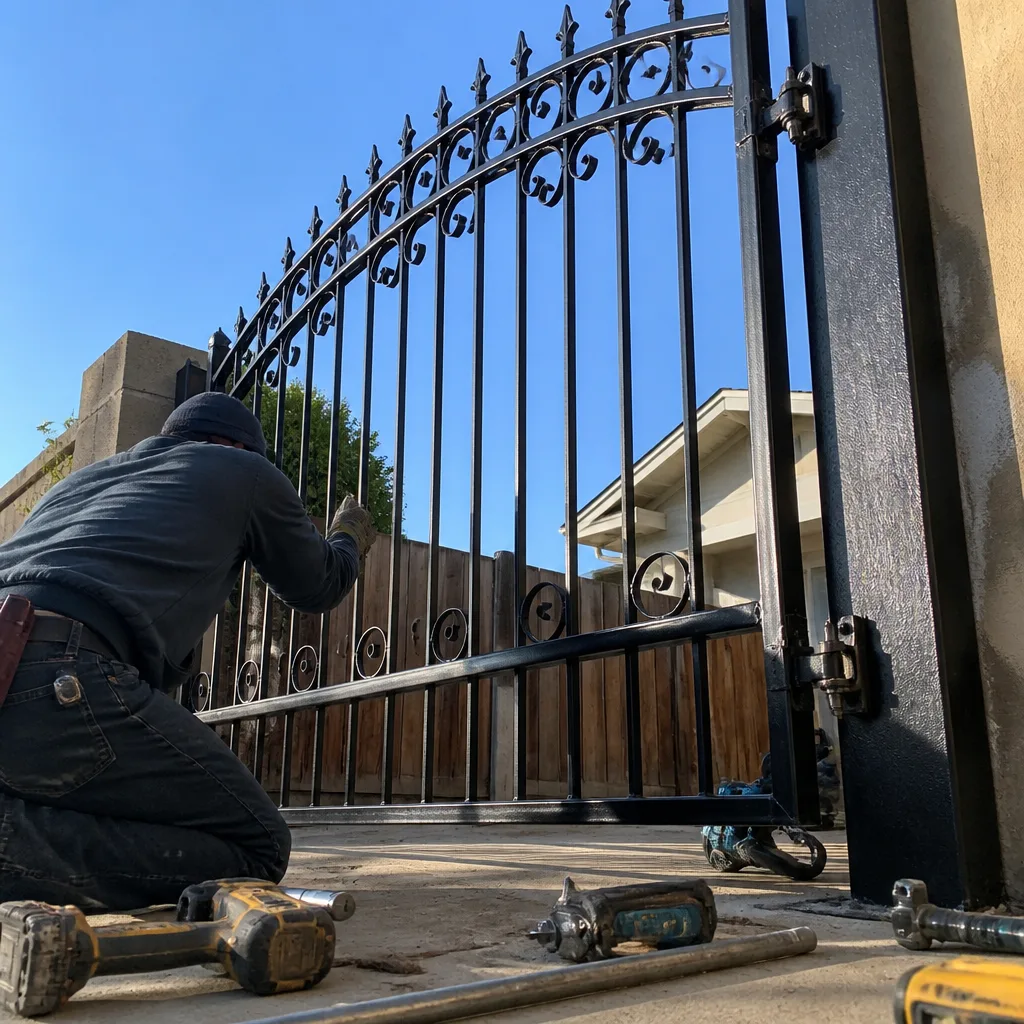
Monthly inspection by the homeowner catches most warning signs before they become failures. The inspection takes ten minutes and requires no tools beyond a flashlight and a phone camera.
- Visual walk-around: Check gate posts for plumb with any straight edge. Look for new rust, cracking, or weld separation. Examine hinges and rollers for grease condition - not whether there’s grease, but whether it’s clean grease or contaminated with grit.
- Manual operation test: Disengage the operator and move the gate by hand. It should travel smoothly through the full cycle with consistent resistance. Any binding, catching, or position-dependent heaviness indicates mechanical wear or debris.
- Photo-eye test: Interrupt the beam during close cycle with a solid object (not your hand). The gate must reverse immediately. Clean lenses with fresh water monthly - more often in marine-exposed locations.
- Edge sensor test: On swing gates, press the edge sensor firmly during close cycle. The gate must stop and reverse. Test the full length - some systems have segmented sensors with independent zones.
- Listen to a full cycle: Note any new sounds. Compare to your mental baseline or a video you recorded when the system was new. Early grinding is subtle; you won’t catch it unless you’re listening for it.
- Check control enclosure: Look for moisture, insect nests, or corrosion on terminal blocks. Note LED status - photograph any pattern you don’t recognize.
- Document and date: Photograph anything that looks different from last month. This creates a condition history that’s invaluable if problems develop.
In Richmond’s climate, we recommend increasing inspection frequency to bi-weekly during November through March - the heavy rain and wind season when soil shifts, debris accumulates, and electrical faults spike. Properties in the hills with longer driveways and more exposed conduit runs should inspect after every significant storm.
Common Mistakes to Avoid
- Describing “slowness” without timing detail. Hesitation at start and slow throughout are different repairs with different costs. Note exactly when the symptom appears in the cycle.
- Applying lubricant to electrical components. WD-40 on photo-eye lenses, control boards, or motor vents creates failures, not prevents them. Lubricant belongs on mechanical pivots and tracks only.
- Ignoring seasonal patterns. A gate that fails only in August heat or January rain is telling you something specific. Dismissing it as “intermittent” wastes diagnostic time.
- Replacing the operator when the post has shifted. We’ve seen three-figure operator replacements on gates that needed four-figure post work - but the post work was needed regardless, and the old operator was fine.
- Accepting a verbal estimate. Without a written scope and price, you have no record of what was promised. The Haven Standard exists because we’ve cleaned up after too many jobs where “they said” and “we understood” diverged.
- Operating with defeated safety devices. Bypassing a malfunctioning photo-eye to “get by” creates liability exposure and risks injury. The temporary convenience isn’t worth the permanent consequence.
- Not asking about brand-specific expertise. A technician who only knows LiftMaster may recommend replacement of a repairable FAAC or BFT system. Confirm experience with your installed brand before authorizing work.
When to Call a Professional
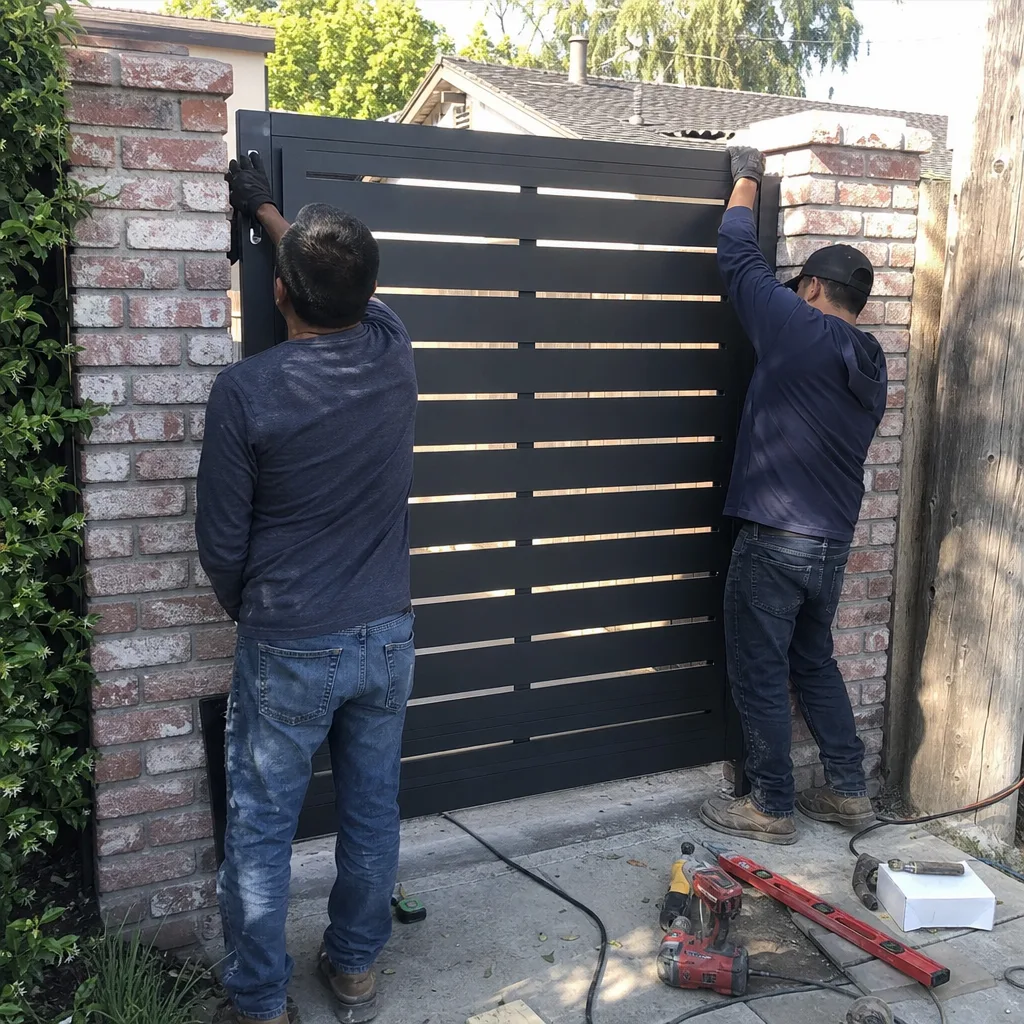
Call when the gate cannot complete its cycle and latch securely, when any safety device is non-functional, when you observe sparking or smell electrical burning, or when the symptom is beyond your comfort to diagnose. In Richmond, Vance Gate Repair Richmond offers free estimates - call (510) 944-0953. A live person answers 24 hours a day, seven days a week; no voicemail loop, no callback queue. We’ll review any photos or videos you’ve taken, dispatch a background-checked, uniformed technician with name and photo provided before arrival, and deliver a written price before any work starts. If you have a written estimate from another company, we provide free second-opinion review - bring the paperwork and we’ll assess it at no cost.
Frequently Asked Questions
Most gate repairs in Richmond fall between $150 and $650, with simple adjustments like limit-switch resets at the lower end and motor or gearbox replacements at the higher end; see more guides & resources for maintenance tips that can prevent costly repairs. We provide a written, flat price before any work begins - no estimate ranges that balloon on the invoice. Call (510) 944-0953 for a free estimate; estimates are free and carry no obligation.
If the gate still completes its full cycle and latches securely, limited continued use is generally acceptable while awaiting service - but schedule promptly, because slow operation strains the motor and converts a $150 adjustment into a $650 replacement. If the gate fails to latch, does not fully open or close, or reverses unpredictably, shut it down and secure it manually until repaired.
This pattern strongly suggests thermal overload in the motor or control board. As ambient temperature rises, components that are already marginal exceed their operating thresholds and protective circuits shut the system down. In Richmond’s summer afternoons, particularly in unshaded installations, we’ve measured control enclosure temperatures exceeding 140°F - enough to trigger thermal cutoffs on systems with degraded cooling. The repair is typically motor replacement or ventilation improvement, not a control board issue.
Grinding indicates mechanical contact between moving parts - worn gears, dry chains, failed rollers. Clicking without movement indicates electrical voltage reaching a non-responsive motor - failed capacitor, seized bearing, or corroded connection. Grinding means the system is trying to move and something is physically resisting. Clicking means the system is electrically alive but mechanically unable to respond. These require entirely different repairs; confusing them sends the technician with the wrong parts.
Age alone doesn’t mandate replacement. We’ve serviced LiftMaster, FAAC, and Linear operators from 2008 and earlier that remain reliable with proper maintenance. Replacement becomes appropriate when: repair costs exceed 60% of replacement cost, parts are obsolete and unavailable, or the operator lacks required safety features under current UL 325 standards. We evaluate each system individually and document our recommendation with photos and written reasoning - never a generic “it’s old” replacement push.
Immediately shut down the system at the disconnect and do not operate it again until inspected. Document the incident with photos of the gate position, any damage, and the control enclosure LED status. If injury occurred, preserve all evidence and notify your insurance carrier. Then call for professional inspection - we test all safety devices, measure force output, and provide a written report of findings that you can use for insurance or legal purposes. Operating a gate after an impact incident without inspection is a significant liability exposure.
UL 325 compliance requires functioning entrapment protection appropriate to gate type, force limitation testing, and proper safety signage. Systems installed before 2000 often lack modern requirements. We provide code-compliance assessments as part of any service call in Richmond, with written documentation of what’s present, what’s missing, and what upgrade path looks like. This isn’t a sales tool - it’s liability protection, and we treat it with the same documentation rigor as any repair.
The Bottom Line
Gate warning signs are useful only to the degree you can describe them precisely. “Slow” isn’t enough - note when, note the sound, note the temperature, and capture it on video. Richmond’s clay soils, marine air, and infrastructure create local symptom patterns that standard troubleshooting misses. The difference between a $90 adjustment and a $900 replacement often comes down to whether the homeowner reported “hesitation at start” or just “slowness.” Document what you see, preserve the evidence, and demand written pricing before any work begins. These habits protect your property, your budget, and your legal exposure - and they’re the foundation of how we’ve operated since 2014.
Written by Adrian Vance, Owner at Vance Gate Repair Richmond, serving Richmond since 2014.