
Last updated September 22, 2026
Free on-site gate assessment - hinges, posts, and your LiftMaster or Nice gate operator checked before anything is quoted
The assessment is free and the quote is the invoice.
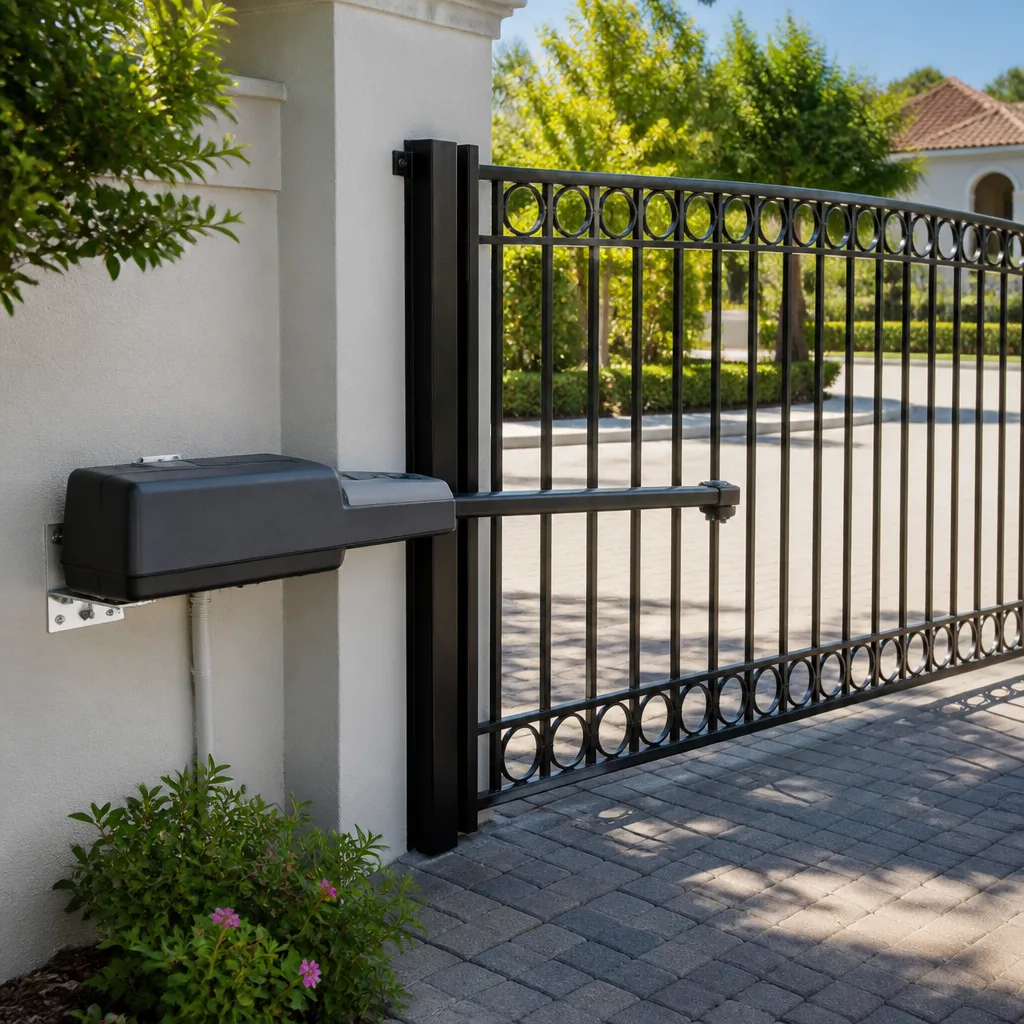
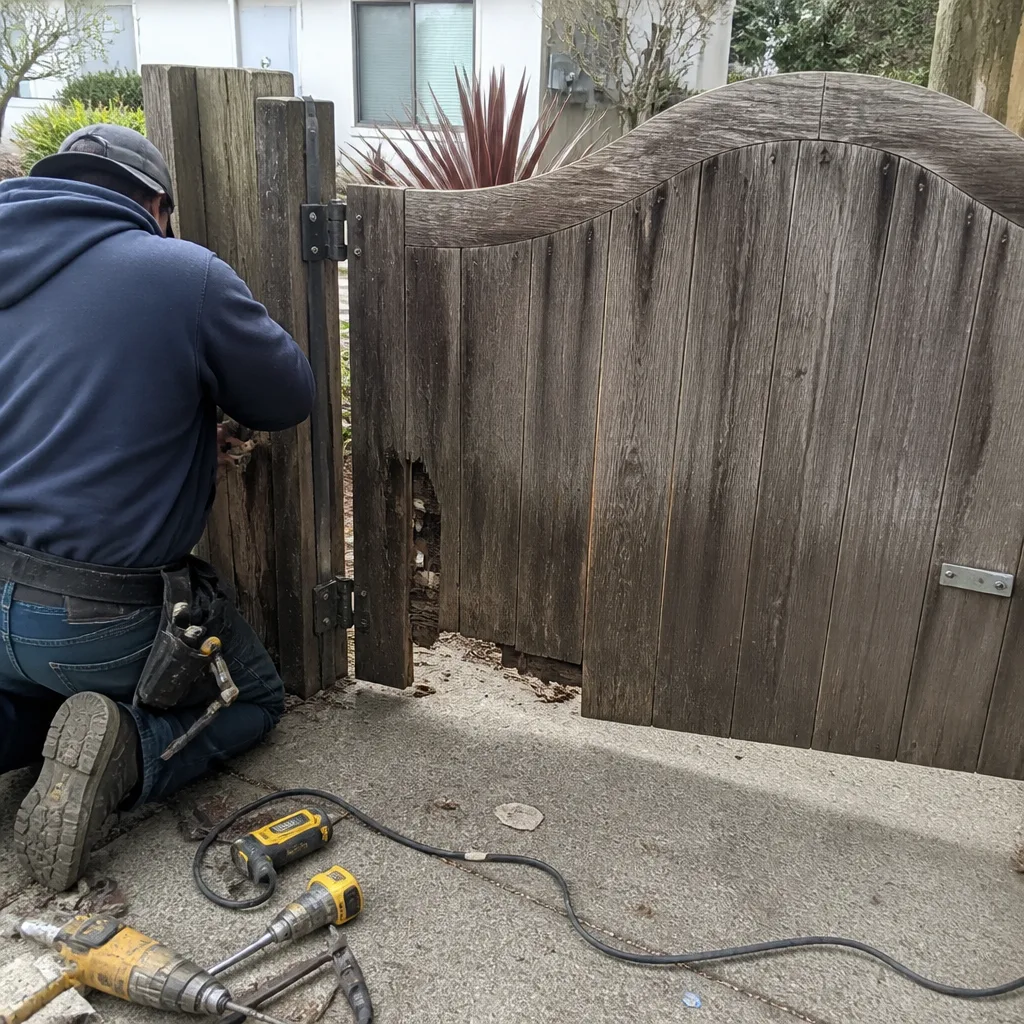 Before
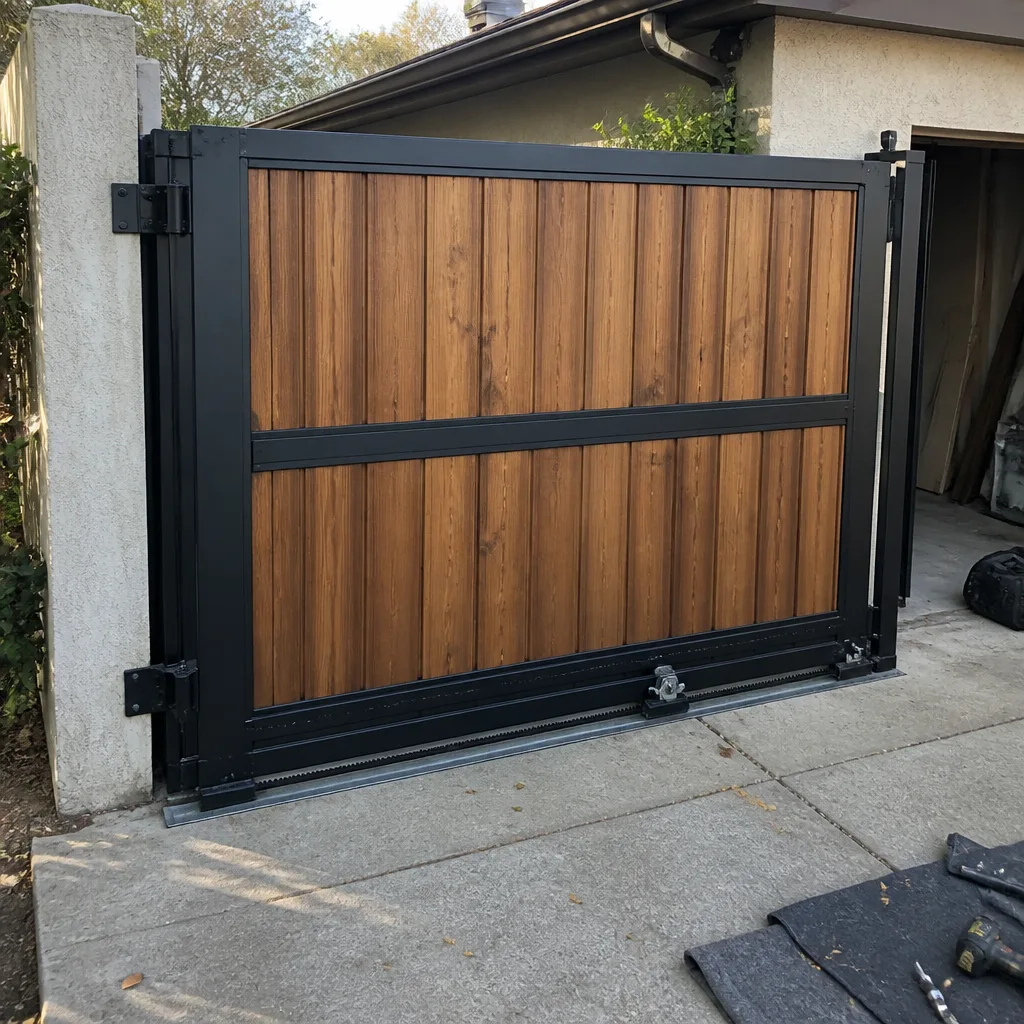 After
After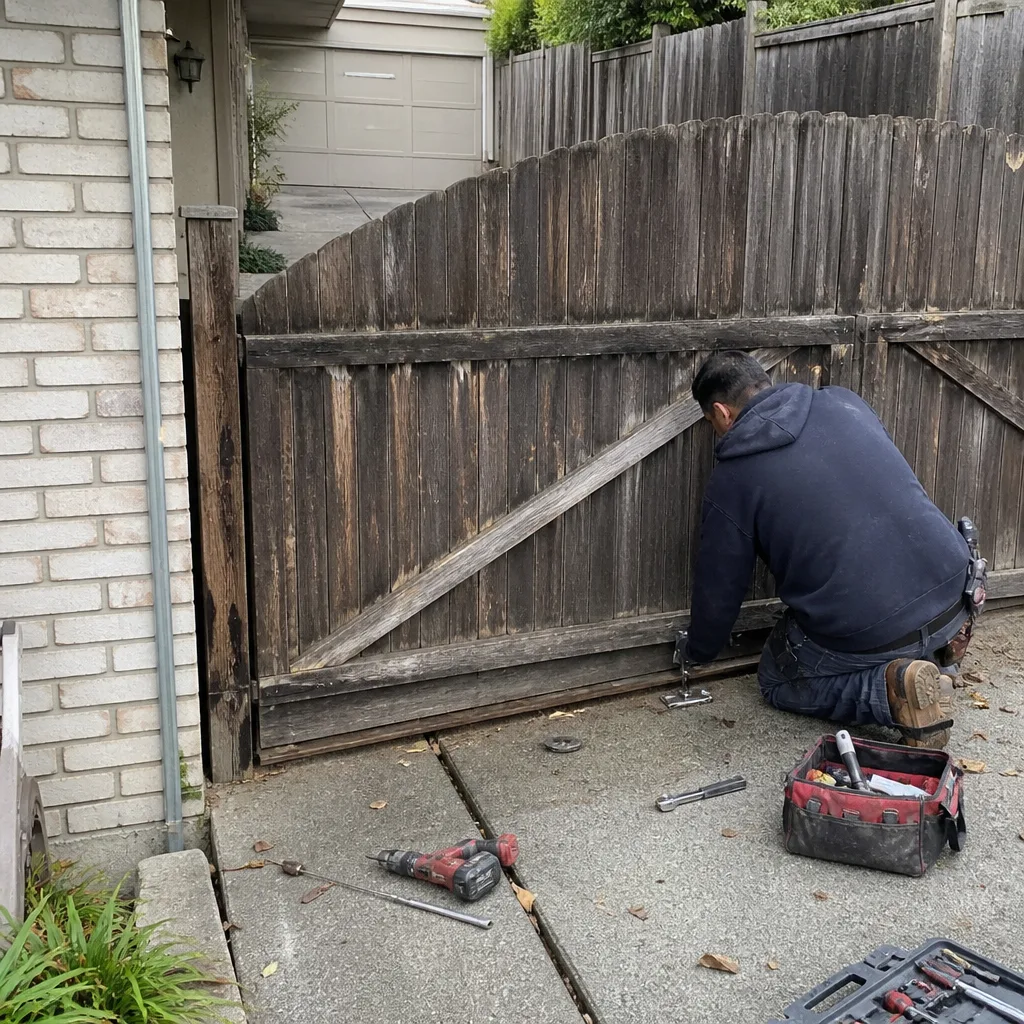 Before
 After
After Before
 After
AfterGate Repair Permits, Codes & Inspections in CA: What You Need to Know
Replacing a gate operator in California is not always a permit-free swap. If the new motor draws more amperage than the original circuit was sized for, you’ve crossed into electrical alteration territory, and that distinction costs nothing to understand in advance and potentially thousands to unwind after the fact. In Richmond, we’ve been called to jobs where a homeowner’s insurance claim was denied because an unpermitted gate operator replacement overloaded the existing 15-amp circuit and contributed to a panel fire. This guide draws the precise line between repair and alteration under California code, explains what Richmond inspectors actually look for, and shows how to verify whether a contractor has ever pulled a permit in your city. For related reading, see our Gate Repair Warning Signs: A Richmond Homeowner’s Reference Guide.
Quick Answer
Most gate repairs in California, including like-for-like operator replacements on existing circuits, do not require a permit. A permit is required when the work alters the electrical system (new circuit, higher amperage draw, or new 240V installation), changes the gate’s structural mounting, or modifies safety systems beyond factory settings. In Richmond, automated gate permits are handled by the Building & Safety Division, with typical turnaround of 5-10 business days for residential projects.
Table of Contents
- Repair vs. Alteration: The Line That Determines Permits
- California Building Code and UL 325 Thresholds
- Richmond Permit Process: Department, Turnaround, Inspector Priorities
- How Unpermitted Work Affects Insurance and Property Sales
- HOA Approval vs. City Permits: Navigating Both
- How to Verify a Contractor’s Permit-Pulling Record
- What Inspectors Actually Check on Automated Gates
- Permit Costs and Timeline in Richmond
 Before
 After
AfterRepair vs. Alteration: The Line That Determines Permits
The California Building Code draws a distinction that sounds simple until you apply it to real equipment. “Repair” means restoring a component to its original condition using equivalent materials. “Alteration” means changing any element that affects structural integrity, electrical load, or safety system performance. For gate operators, this distinction lives in the amperage draw, the voltage, and the physical mounting.
Here is where Richmond homeowners and even some contractors get it wrong. Swapping a failed LiftMaster LA400 for another LA400 on the same 120V, 15-amp circuit is repair. No permit. Swapping that same failed LA400 for a more powerful Elite CSW200 because the gate is heavier than originally estimated, and the new motor draws 5.2 amps where the old drew 2.9, is alteration. The circuit may not trip immediately, but the sustained load exceeds the original design, and that requires an electrical permit.
We’ve seen this exact scenario in the Richmond Hills and Marina Bay areas. A homeowner upgrades from a basic Mighty Mule to a commercial-grade FAAC 422 because of wind loading on a long driveway gate. The new operator needs a dedicated 20-amp circuit. The installer runs it on the existing 15-amp line because “it works.” Two summers later, the overloaded circuit contributes to a panel issue, and the insurance adjuster asks for permit records. None exist. The claim is disputed.
The same line exists for structural work. Replacing a broken hinge with the same specification hinge is repair. Moving the gate post to accommodate a wider driveway opening is alteration. Welding a new receiver bracket to accept a different operator model, if that bracket changes the gate’s weight distribution or stress points, sits in a gray zone that Richmond’s Building & Safety Division typically resolves by requiring a permit.
Our recommendation, rooted in the Haven Standard and our Gate Repair services: when we evaluate a gate in Richmond, we document the existing operator’s amperage draw, circuit rating, and mounting configuration. If replacement would cross any of these thresholds, we tell you before we write the price. The written scope specifies whether permit costs are included, and we pull the permit ourselves rather than handing you a form to figure out.
California Building Code and UL 325 Thresholds
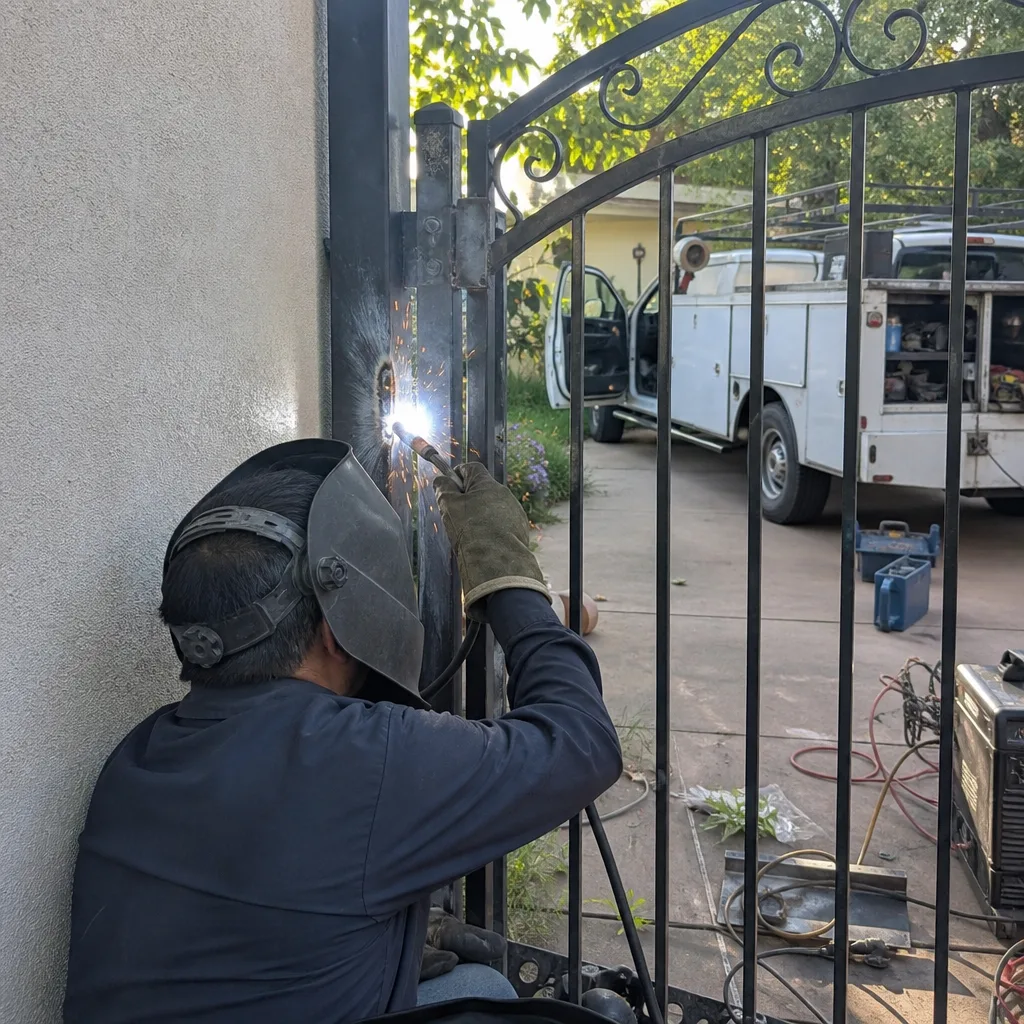
California adopts the International Building Code with state amendments, and for automated gates, the operative safety standard is UL 325, the Standard for Door, Drapery, Gate, Louver, and Window Operators and Systems. This standard is not optional guidance. It is referenced directly in the California Electrical Code and enforced by local inspectors.
UL 325 divides gate operators into classes based on application and required safety features. Class I is residential vehicular. Class II is commercial general access. Class III is industrial/limited access. Class IV is restricted access. The class determines which safety devices are mandatory: photo eyes, edge sensors, audible alarms, or loop detectors. A permit inspector in Richmond will verify that the installed operator class matches the site use and that the required safety devices are present and functional.
The specific thresholds that trigger permitting under California Building Code Section 105 and Richmond’s local amendments include:
- New electrical circuit installation or extension from an existing panel to serve the gate operator
- Upgrade from 120V to 240V operation, common when moving from residential to commercial-grade operators like certain FAAC or BFT models
- Installation of any operator where none existed previously, including manual-to-automated conversions
- Structural modification to the gate, posts, or footings to accommodate operator mounting or changed gate geometry
- Modification of safety system wiring beyond factory-authorized replacement of like components
Where competitors often miss the mark: UL 325 requires that safety devices be installed according to the manufacturer’s minimum specifications for height, distance from the gate, and response time. An inspector in Richmond will measure photo-eye height with a tape measure. We’ve seen permits fail because a photo eye was mounted 4 inches above the UL 325 minimum for that operator model, or because the entrapment sensor’s response time exceeded the manufacturer’s stated maximum. These are not nitpicks. They are the difference between a passed inspection and a $200 re-inspection fee plus delay.
In our documentation on every Richmond job, we record the UL 325 class of the operator installed, the model-specific safety device requirements, and the measured installation positions. Under Clause 4 (Evidence on every job), this record stays with you and in our files.
Richmond Permit Process: Department, Turnover, Inspector Priorities
Automated gate permits in Richmond are processed by the Building & Safety Division, located at 450 Civic Center Plaza. Residential permits for gate operators typically fall under “Electrical” or “Miscellaneous Construction” depending on whether structural work is involved. The division accepts applications online through the city’s Accela portal and in person.
Typical turnaround for a straightforward residential electrical permit for gate operator installation is 5-10 business days for plan review if the submittal is complete. Same-day over-the-counter permits are available for simple electrical replacements that do not alter the circuit capacity, though staff discretion applies. Structural permits involving new footings or post replacement require longer review, typically 2-3 weeks, and may trigger zoning review if the gate is in a front setback or visible from the street.
Richmond’s inspectors prioritize three things on automated gate jobs:
- Electrical load verification. The inspector will compare the operator’s nameplate amperage to the circuit breaker rating and wire gauge. A 20-amp circuit requires 12 AWG copper; 15-amp requires 14 AWG. We’ve seen jobs where a previous installer used 14 AWG on a 20-amp breaker to save material. That fails immediately.
- GFCI protection. Outdoor gate operators require GFCI protection per California Electrical Code Article 210.8. The inspector tests the GFCI with a plug-in tester or by pressing the test button. If the operator is hardwired, the GFCI must be in the circuit ahead of the disconnect.
- UL 325 safety device function. The inspector will walk through the gate’s path during operation to verify that photo eyes or edge sensors stop and reverse the gate. They check audible warning devices on commercial operators. They verify that manual release mechanisms are accessible and functional.
Richmond’s climate adds a specific consideration. The salt air from San Francisco Bay accelerates corrosion on outdoor electrical enclosures. Inspectors in this jurisdiction are attentive to NEMA ratings on junction boxes and operator housings. A NEMA 3R enclosure is minimum; we’ve seen inspectors flag NEMA 1 indoor-rated boxes installed in exposed Marina Bay locations where salt spray is routine.
We handle permit submittals for Richmond customers as part of our project scope when alteration-level work is required. The Haven Standard includes permit costs in the written price, and we schedule inspections to match our work completion so you’re not waiting for a contractor who “forgot” to call for final.
How Unpermitted Work Affects Insurance and Property Sales
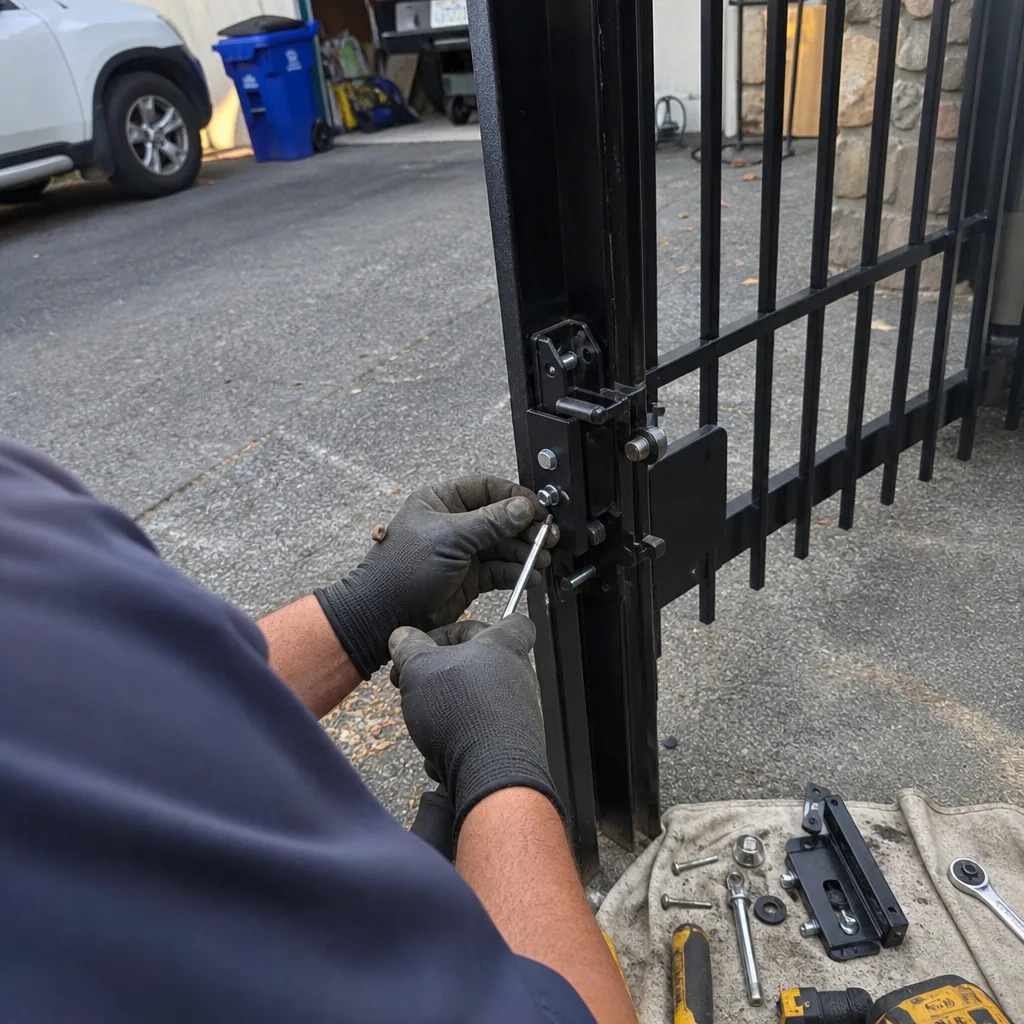
This is the section most gate repair guides omit, and it is the one that costs homeowners the most money. California law does not automatically void your homeowner’s insurance for unpermitted work. But it gives insurers grounds to deny claims if unpermitted work contributes to a loss, and it creates disclosure obligations that can derail property sales.
Under California Insurance Code Section 2070 and standard homeowner’s policy language, insurers must cover losses unless the policyholder’s conduct falls under specific exclusions. Unpermitted electrical work that contributes to a fire is routinely cited under the “faulty workmanship” or “known defect” exclusions. The critical question is not whether the work was permitted but whether the insurer can prove the unpermitted condition caused or contributed to the loss. In practice, insurers investigate permit status when the loss involves electrical systems, and the absence of a permit shifts the burden to the homeowner to prove the work was done correctly.
We’ve reviewed claims files where a Richmond homeowner’s gate operator replacement, done without permit by a handyman, was identified as a contributing factor in a garage fire. The operator’s higher amperage draw heated the undersized conductors in the wall. The insurer denied the $47,000 structure claim and the homeowner’s recourse was limited to suing the handyman, who carried no contractor’s bond.
For property sales, California Civil Code Section 1102 requires disclosure of “any alterations or modifications made without necessary permits.” This includes gate operators, electrical circuits, and structural modifications. A seller who fails to disclose unpermitted gate work faces potential rescission of the sale, damages, and in some cases fraud claims. Title companies in Richmond increasingly flag permit discrepancies found in building records, and buyers’ inspectors routinely check gate automation for permit compliance.
The financial exposure breaks down in predictable ways:
- Permit retroactively obtained after work is complete: plan review fees plus potential penalties, typically 150-200% of original permit cost
- Insurance claim denied due to unpermitted electrical work: full loss recovery plus potential policy cancellation or non-renewal
- Sale delayed or renegotiated due to disclosure issue: $5,000-$25,000 in price reduction or repair credits, plus carrying costs
- Liability if unpermitted gate injures a visitor: personal exposure if insurer denies coverage based on unpermitted condition
Our position at Vance Gate Repair Richmond home is simple: we pull permits when required, we document when they’re not, and we never leave you with a job that could become your problem at closing. The written price includes permit costs when applicable, and the photo record proves what was installed and how.
HOA Approval vs. City Permits: Navigating Both
Richmond’s hillside and waterfront neighborhoods include numerous planned developments with homeowners associations. HOA architectural review and city permitting are separate processes with different timelines, and confusing them creates delays that can add weeks to a project.
HOA approval governs aesthetics: gate style, color, materials, height, and visibility from common areas. City permits govern safety and code compliance: electrical load, structural integrity, and UL 325 conformance. A project can have full HOA approval and still fail city inspection. A project can pass city inspection and violate HOA covenants, exposing the homeowner to fines and forced modification.
The correct sequence matters. For most Richmond HOAs, including those in the East Bay hills developments and Marina Bay townhouse communities, the process runs:
- Submit architectural application to HOA with gate specifications, operator model, and proposed location
- Receive HOA approval or conditional approval with required modifications
- Submit city permit application with HOA-approved plans, ensuring the approved operator model meets electrical requirements
- Complete installation and schedule city inspection
- Submit city inspection approval to HOA for final sign-off if required by covenants
Where homeowners get stuck: they start with the city permit, install the operator, then discover the HOA requires a different style or color. Or they get HOA approval for a specific operator model, then learn that model requires a circuit upgrade that triggers additional city review. The operator sits in a box for three weeks while the processes untangle.
We’ve managed this coordination for Richmond customers since 2014. When we write the scope, we identify whether HOA approval is likely needed based on the property address and development name. We provide specification sheets for the proposed operator, suitable for HOA submission, and we note any electrical requirements that might affect the timeline. Under the Haven Standard, the written price includes our coordination time because “call us when you get HOA approval” is not a plan.
Specific to Richmond: several hillside HOAs require geotechnical review for new gate posts due to slope stability concerns. This is separate from city structural review and can add 2-4 weeks. We flag this early, not after the post holes are dug.
How to Verify a Contractor’s Permit-Pulling Record
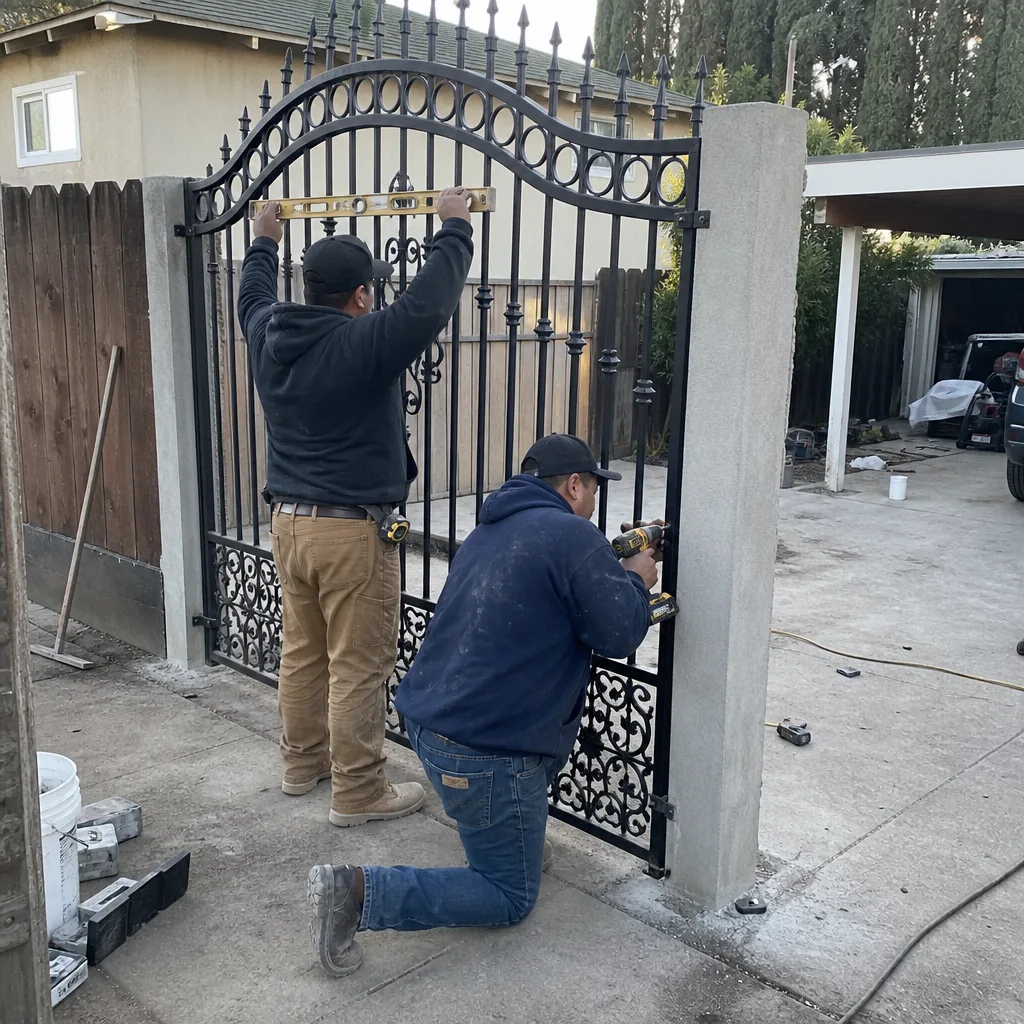
A contractor’s willingness to pull permits is one of the few objective measures of their accountability. In California, any contractor with a valid license can pull permits, but many avoid it to save time, avoid scrutiny, or because their past permit history creates complications with inspectors.
Here’s how to verify permit history for any gate contractor working in Richmond:
- CSLB license check. Visit cslb.ca.gov and enter the contractor’s license number. Verify the license is active, the classification includes C-10 (Electrical) or C-28 (Lock and Security Equipment) or D-28 (Doors, Gates, and Activating Devices), and that there are no suspensions. Note the license issue date and any disciplinary actions.
- Richmond building records search. Contact the Building & Safety Division at (510) 944-0953 or visit in person at 450 Civic Center Plaza. Request a permit history search by contractor license number. This shows permits pulled in Richmond specifically, including dates, addresses, and inspection outcomes. A contractor with no Richmond permits despite years of claimed local work is a signal.
- Ask directly. When receiving a written estimate, ask: “Will you pull the permit, or is that my responsibility?” Then ask: “Can you provide the permit number from your last three gate operator installations in Richmond?” A contractor who deflects, claims permits are “usually not needed,” or suggests you “can pull it as owner” to save money is avoiding accountability.
We’ve pulled permits on every Richmond job that required them since 2014, and we provide permit numbers on request. Our CSLB license is active and our Richmond permit history is available for verification. This is not exceptional service. It is baseline competence, and homeowners should expect it.
A related check: verify that the contractor’s insurance certificate names you as additional insured for the project duration. This is standard on commercial jobs and should be available on request for residential work. An uninsured contractor who avoids permits creates compound liability if something goes wrong.
What Inspectors Actually Check on Automated Gates
Richmond building inspectors follow a checklist derived from California Building Code, California Electrical Code, and UL 325. Understanding this checklist helps homeowners know whether their installed gate will pass, and whether their contractor’s work meets professional standards.
Electrical inspection items:
- Conductor sizing matches breaker rating: 14 AWG for 15-amp, 12 AWG for 20-amp, 10 AWG for 30-amp
- GFCI protection present and functional on all 120V outdoor circuits
- Disconnecting means within sight of the operator, lockable in the open position for hardwired units
- Conduit properly supported and rated for outdoor exposure; EMT acceptable in some locations, rigid or intermediate metal conduit required where physical damage is likely
- Grounding electrode conductor properly bonded if separate grounding system is installed
Structural inspection items:
- Gate posts adequately sized and embedded for gate weight and wind load; typical minimum is 4×4 wood or 2.5-inch square steel for residential swing gates up to 16 feet, with concrete footing 36 inches deep in Richmond’s expansive clay soils
- Operator mounting bracket secured to post with through-bolts, not lag screws into end grain
- Gate swing path clear of obstructions; 2-inch minimum clearance from ground at lowest point
UL 325 safety inspection items:
- Photo eyes or edge sensors installed at manufacturer’s specified height and distance
- Entrapment protection stops and reverses gate within 2 seconds of contact (measured with stopwatch)
- Audible warning device sounds for at least 5 seconds before gate movement on commercial operators
- Manual release mechanism accessible without tools and functional; inspector will test this
- Control station located where operator has clear view of gate or equipped with loop detector or other automatic reversal
We’ve accompanied inspectors on hundreds of Richmond gate inspections. The most common failures we see from other contractors’ work are: photo eyes mounted too high (the inspector brings a tape measure), GFCI missing or non-functional (the inspector brings a tester), and manual release mechanisms painted over or rusted shut (the inspector brings a wrench). These are not obscure code provisions. They are the basics, and their absence indicates a contractor who either doesn’t know or doesn’t care.
Our documentation includes pre-inspection photos of every safety device position, measured and recorded, so if an inspector questions placement, we have evidence of compliance at time of installation.
Permit Costs and Timeline in Richmond
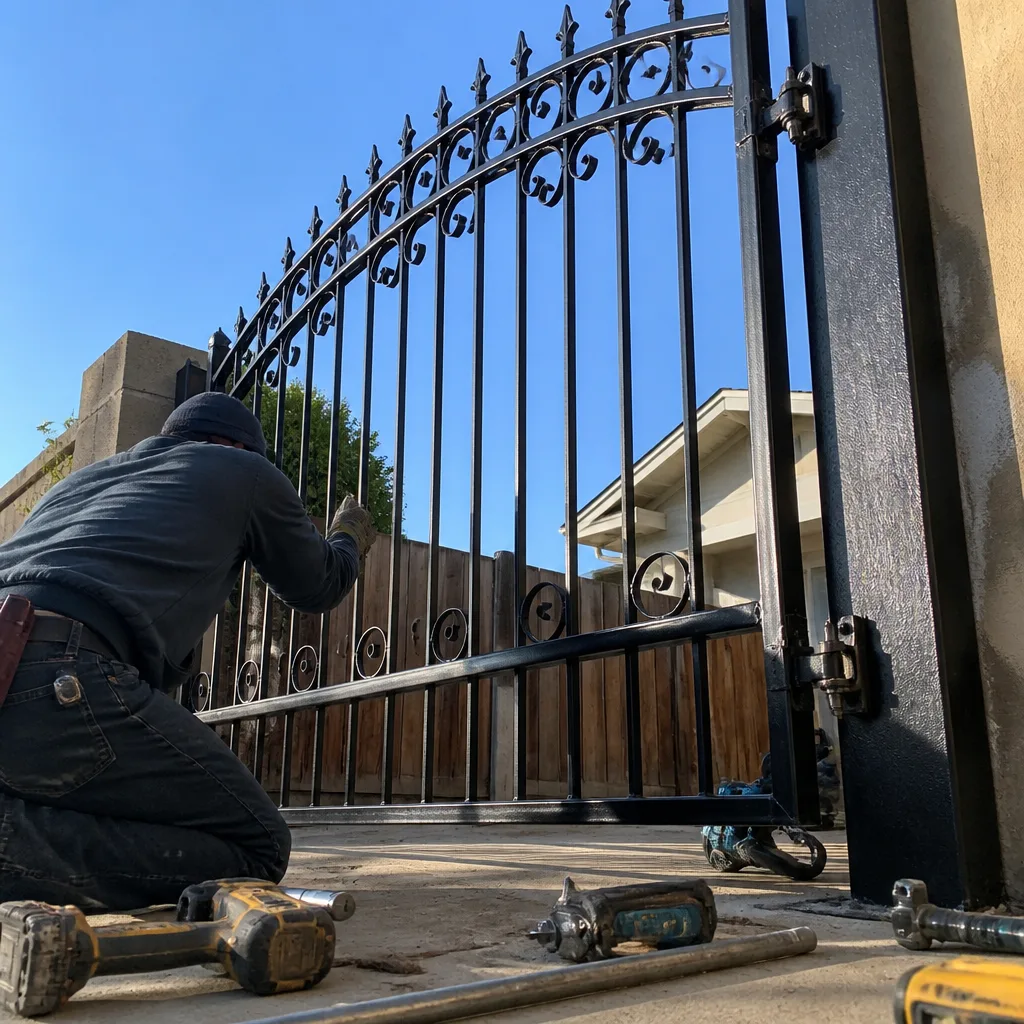
Permit costs in Richmond scale with project valuation, but for typical residential gate operator work, the ranges are predictable enough to name. These figures are current as of our last permit submittal and should be verified with Building & Safety before application, as fees adjust periodically.
| Permit Type | Typical Fee Range | Timeline |
|---|---|---|
| Electrical replacement (like-for-like, no circuit change) | $150 – $280 | Same day to 3 business days |
| Electrical alteration (new circuit, upgraded breaker, 240V) | $280 – $450 | 5-10 business days |
| Structural (new post, footing, or gate frame) | $350 – $600 | 10-15 business days |
| Combined electrical + structural | $500 – $850 | 15-20 business days |
| Re-inspection fee (if first inspection fails) | $150 – $200 | Reschedule + 3-5 days |
These fees do not include plan preparation if engineered drawings are required, which is rare for residential gate work but can be triggered by hillside locations or retaining wall-adjacent installations in certain Richmond neighborhoods.
Timeline factors that can extend these ranges: incomplete application (missing contractor license, missing site plan, unclear scope description), high permit volume periods (typically March-June and September-November), and required fire department review for gates on properties with limited access for emergency vehicles. Richmond Fire Prevention Division reviews some gate installations for emergency access compliance, adding 3-5 days.
When we write a price for Richmond work that requires permits, the permit fee is itemized, not hidden. Under Haven Standard Clause 1, you see the full cost before work starts, including city fees, inspection scheduling, and any re-inspection coverage we provide. Our 365-Day Done Right Promise covers permit-related corrections at no charge if our installation fails inspection due to workmanship.
Common Mistakes to Avoid
- Assuming like-for-like replacement never needs a permit. If the “like” operator draws 40% more amperage, it’s not like-for-like in the electrical code’s view. Check the nameplate before ordering.
- Letting the contractor tell you permits are “your responsibility.” A licensed contractor can and should pull permits for their own work. Shifting this to you often means they don’t want their work inspected.
- Starting HOA approval after installation. Some Richmond HOAs levy daily fines for unapproved modifications. Get written approval before the first hole is dug.
- Ignoring NEMA ratings in bay-adjacent locations. That budget operator enclosure rated NEMA 1 will corrode within two years in Marina Bay salt air. The inspector may not flag it, but your wallet will.
- Accepting verbal assurance that “it’ll pass inspection.” Ask for the specific code sections the installation complies with. A competent contractor names them without hesitation.
- Not requesting permit closure documentation. A permit that passes inspection but isn’t formally “finaled” in Richmond’s system creates a cloud on title. Request the final inspection approval letter.
- Installing commercial-grade operators on residential circuits without load calculation. That used FAAC 422 you found online needs a dedicated 20-amp circuit, not the garage door opener’s shared 15-amp line.
When to Call a Professional
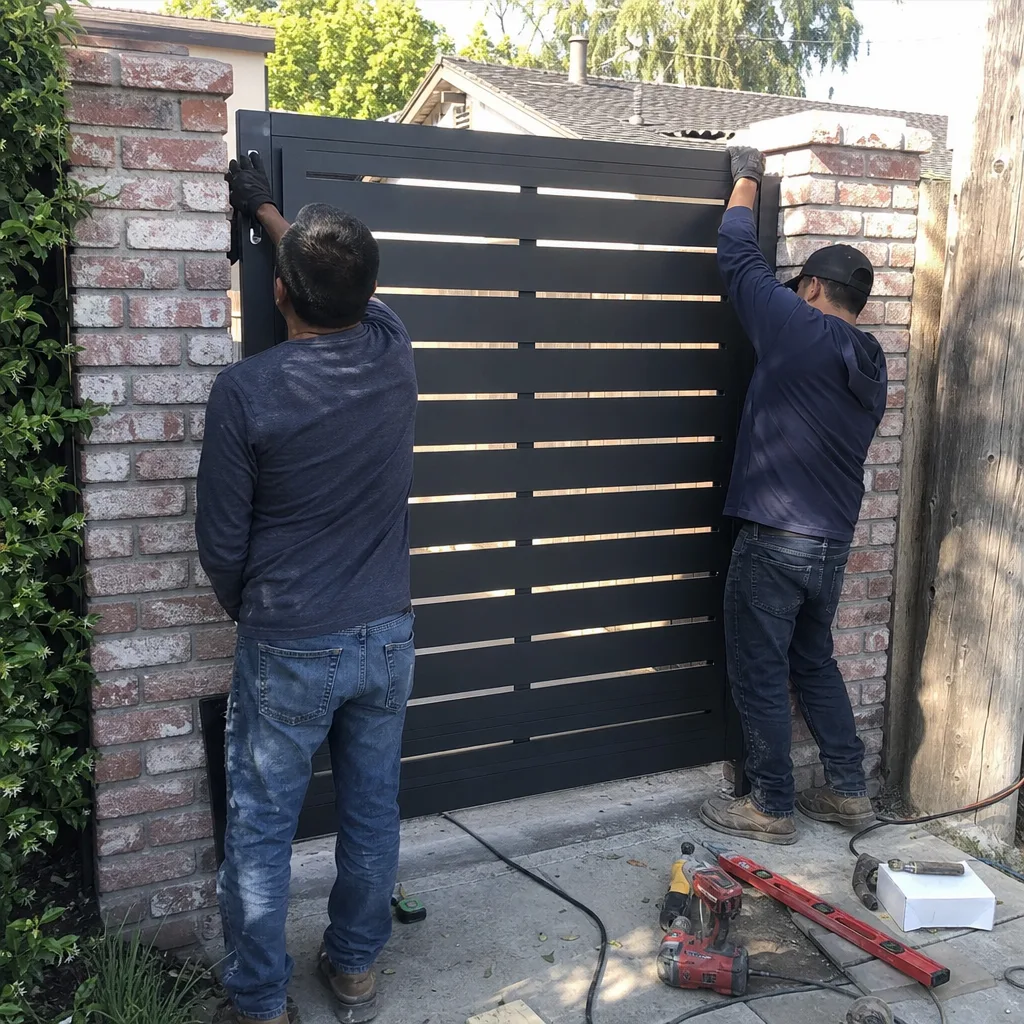
Call a licensed gate contractor when the work involves any electrical modification, when the operator model is changing, when structural elements are affected, or when you simply need clarity on whether a permit applies. Explore more guides & resources on gate maintenance and compliance. The cost of a professional evaluation is minimal compared to the cost of unpermitted work discovered later.
Specific scenarios where we recommend professional involvement: any upgrade from manual to automated operation; replacement of an operator more than 10 years old, as electrical requirements have changed significantly; gates in Richmond’s hillside zones where geotechnical conditions affect footing design; and any installation where HOA approval is required, as specification accuracy affects both approvals.
Gate Repair in Richmond from Vance Gate Repair Richmond includes permit evaluation as part of our free estimate. We inspect the existing electrical, identify the correct operator class for your gate’s weight and use, and tell you whether permitting applies before we write the price. If permits are needed, we handle the submittal, scheduling, and inspection accompaniment. Call (510) 944-0953 to schedule.
Frequently Asked Questions
You need a permit if the replacement alters the electrical system or changes the operator class. A like-for-like swap on the same circuit typically does not require a permit. If the new opener draws more amperage, requires a new circuit, or upgrades from 120V to 240V, Richmond Building & Safety requires an electrical permit. Call (510) 944-0953 and we’ll evaluate your specific installation at no charge.
Simple electrical replacements often receive same-day over-the-counter permits. Alterations requiring plan review typically take 5-10 business days. Structural permits involving new posts or footings take 10-15 business days. Combined permits run 15-20 business days. Richmond’s Building & Safety Division at 450 Civic Center Plaza processes all applications, and we coordinate scheduling for our customers.
Your policy likely covers the damage if the installation was permitted and performed by a licensed contractor. If the work was unpermitted and the insurer determines it contributed to the loss, coverage may be denied under faulty workmanship or known defect exclusions. We’ve reviewed claims where unpermitted operator replacements led to denied coverage in Richmond and surrounding areas. The permit is your documentation that the work met code.
HOA approval governs appearance and covenant compliance. City permits govern safety, electrical, and structural code compliance. You can have one without the other, and you need both where applicable. In Richmond, we recommend HOA approval first, then city permit application with HOA-approved specifications, to avoid conflicts that delay installation.
Check their CSLB license at cslb.ca.gov for active status and classification. Then contact Richmond Building & Safety at (510) 944-0953 to request a permit history search by license number. Ask the contractor directly for permit numbers from recent local jobs. At Vance Gate Repair Richmond, we provide this information on request; our Richmond permit history dates to 2014.
Richmond charges a re-inspection fee of $150-$200 and requires rescheduling, typically adding 3-5 days. The correction must address the specific code violation cited. Under our 365-Day Done Right Promise, if our installation fails due to workmanship error, we correct it and cover the re-inspection fee. Our pre-inspection documentation reduces failure risk by verifying compliance before the inspector arrives.
We pull permits for all alteration-level work we perform in Richmond. The permit cost is itemized in your written price before work starts. You do not need to visit City Hall or navigate the Accela portal. We submit, schedule, and accompany inspections as part of our project scope. For repair-level work that does not require permits, we document why and leave that record with you under Clause 4 of the Haven Standard.
The Bottom Line
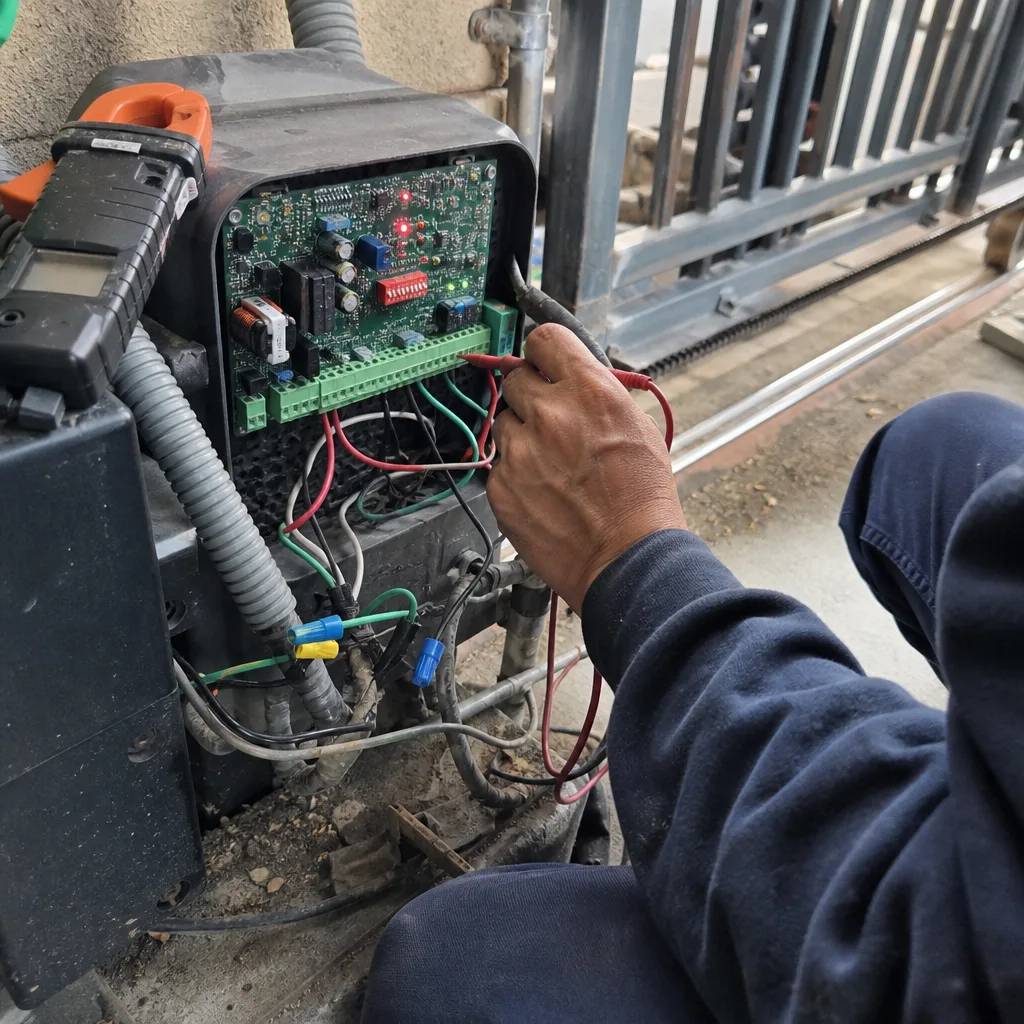
California’s permit threshold for gate work is not about the size of the job; it’s about the nature of the change. A $200 hinge replacement needs no permit. A $1,800 operator replacement that overloads the existing circuit needs an electrical permit, and the distinction matters for insurance, property sale, and safety. In Richmond, Building & Safety inspectors verify electrical load, GFCI protection, and UL 325 safety device function with specific measurements, not visual guesses. HOA approval runs parallel to city permits and requires coordination to avoid delays. The contractor’s permit history is public and verifiable, and willingness to pull permits is a basic accountability signal. We document every installation, pull permits when required, and write the full cost before work begins. That’s the Haven Standard, and it’s how we’ve operated since 2014.
Written by Adrian Vance, Owner at Vance Gate Repair Richmond, serving Richmond since 2014.