
Last updated September 22, 2026
Free on-site gate assessment - hinges, posts, and your LiftMaster or Nice gate operator checked before anything is quoted
The assessment is free and the quote is the invoice.
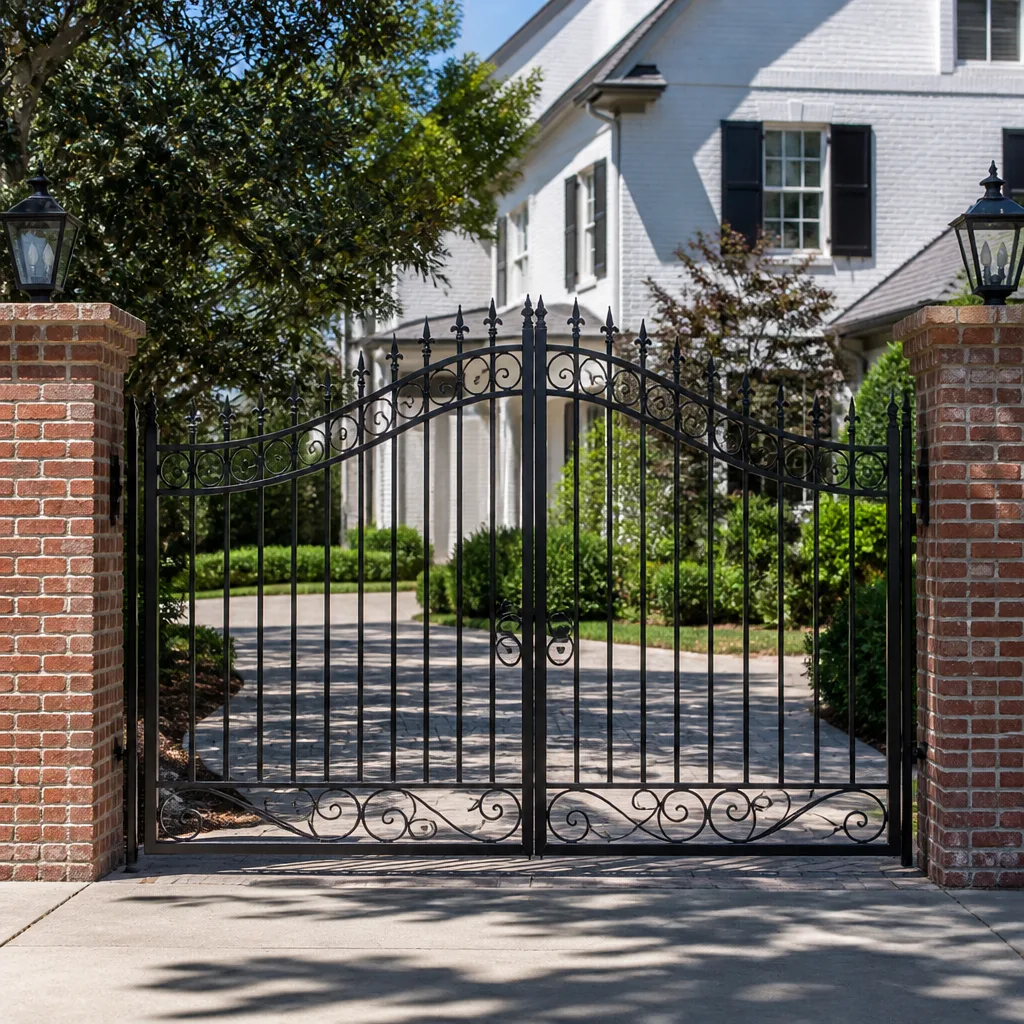
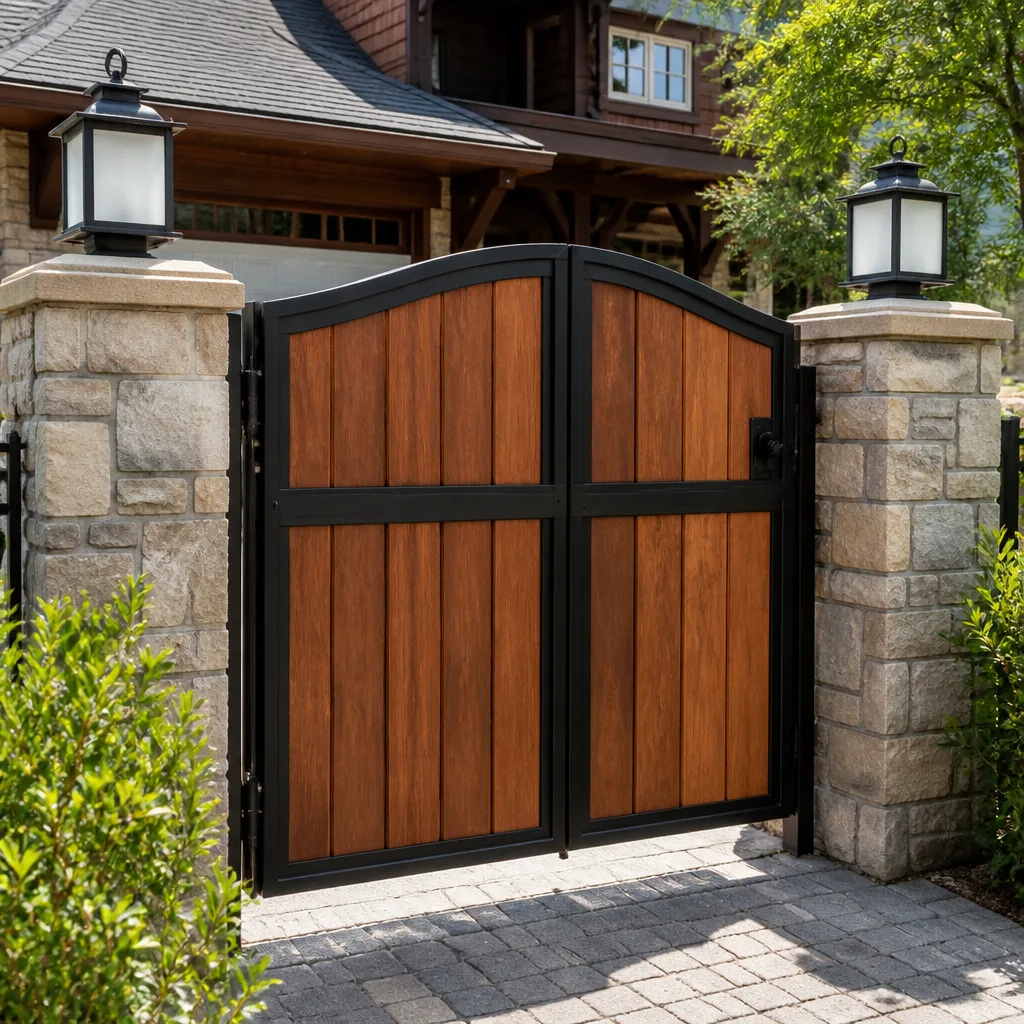
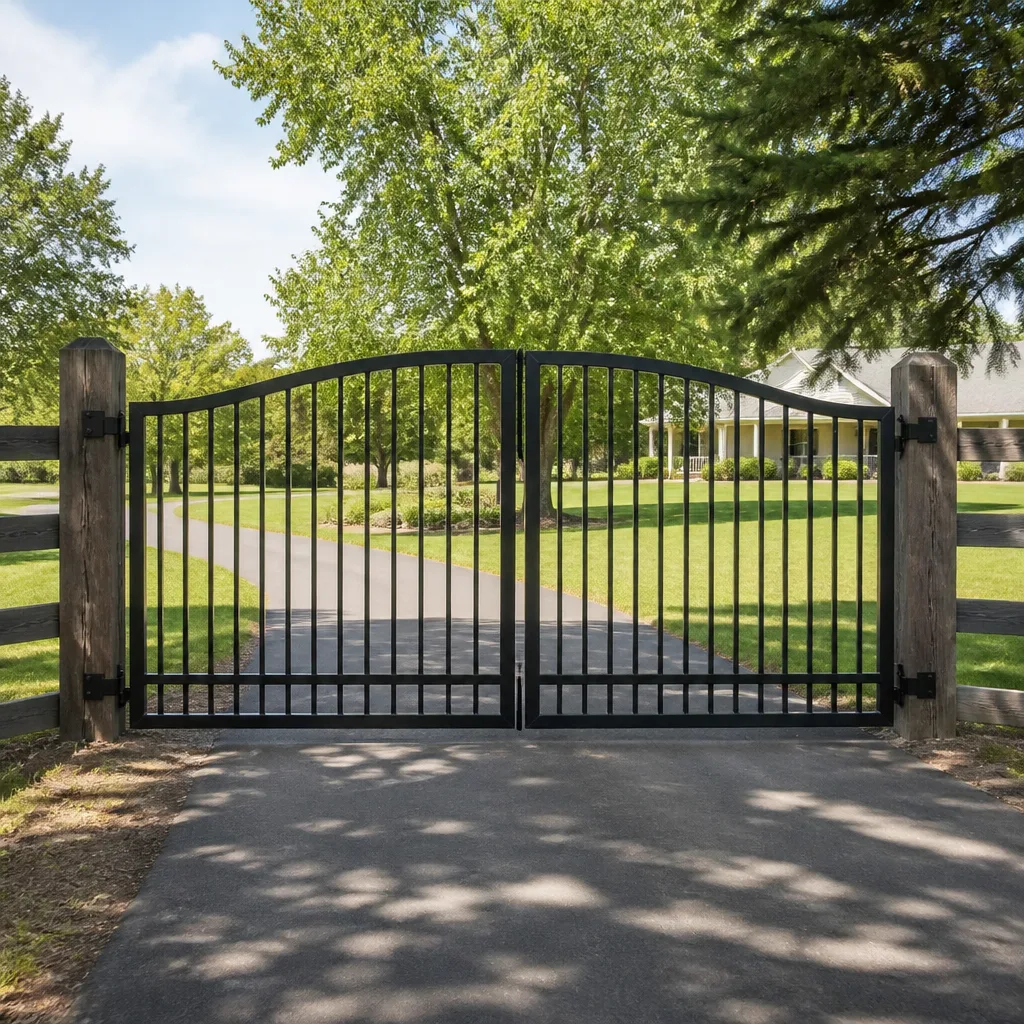
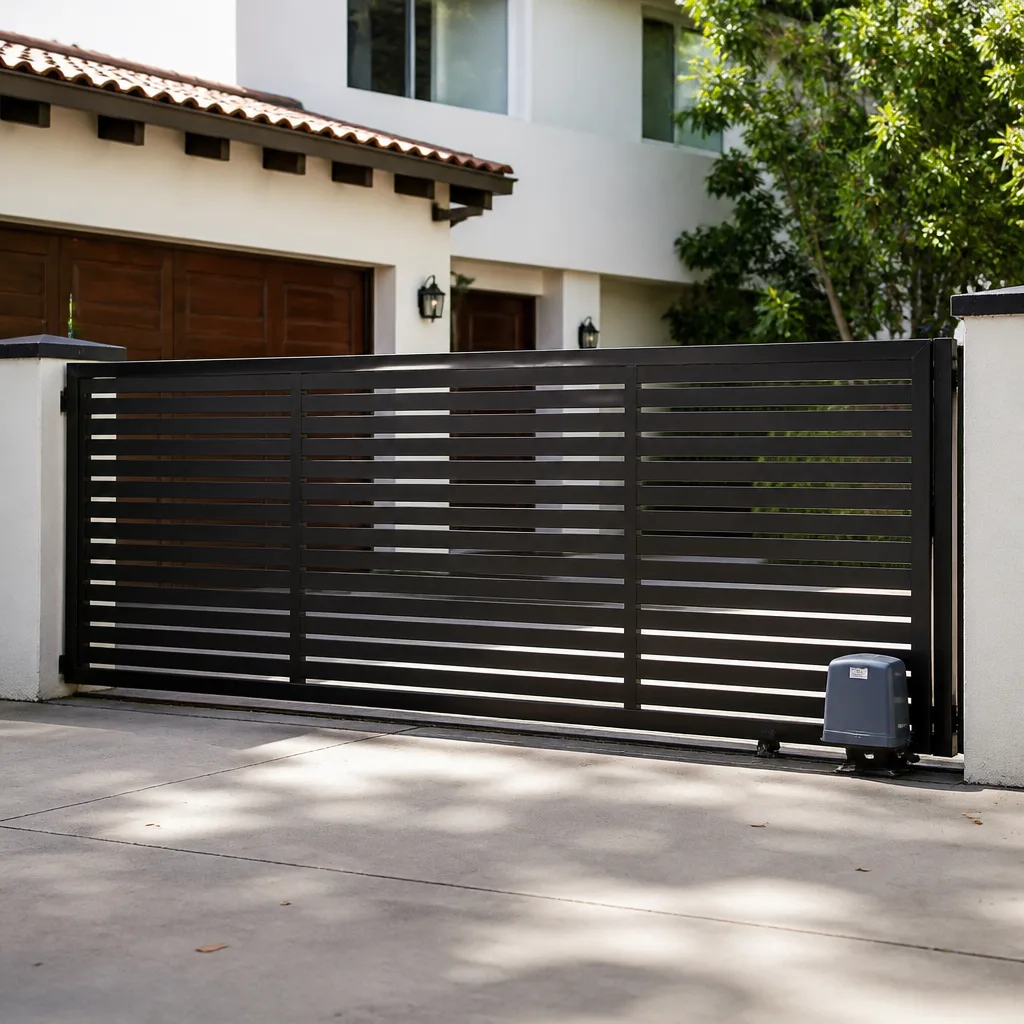
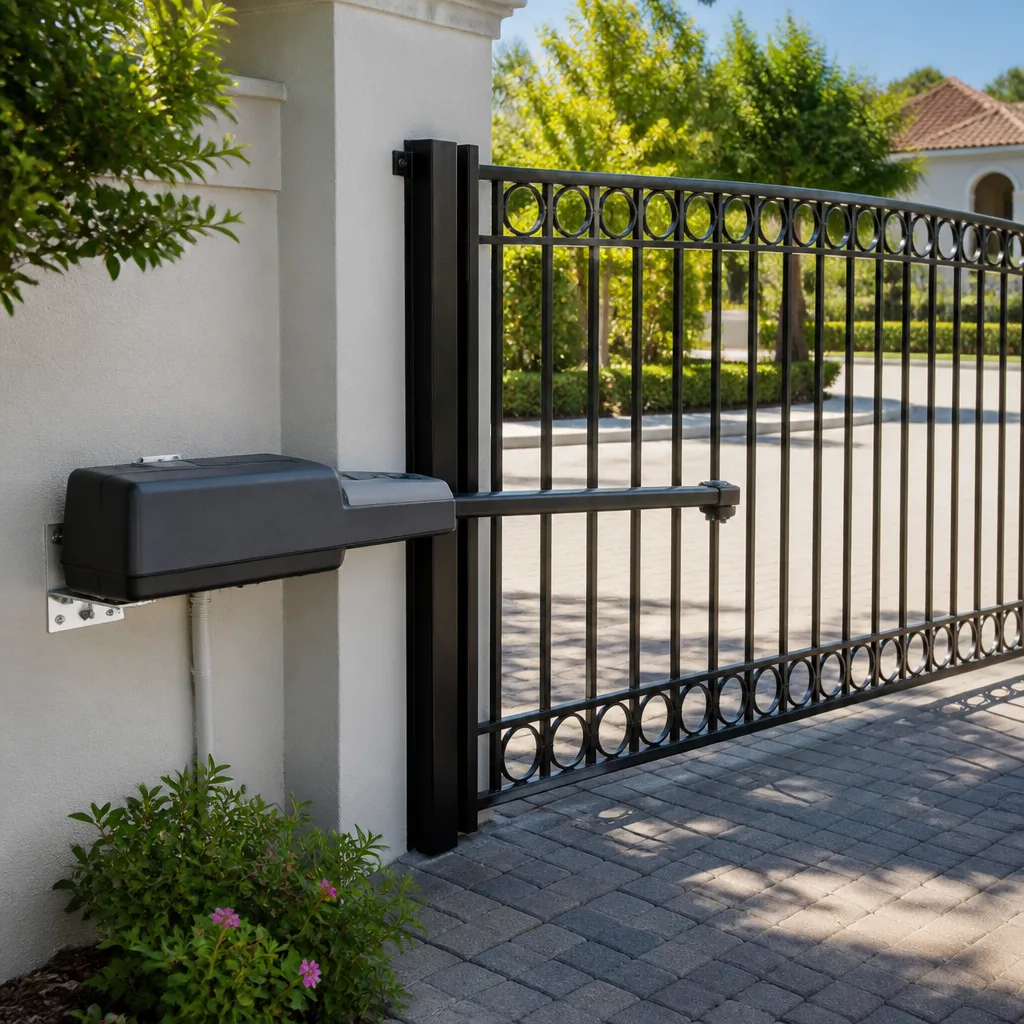
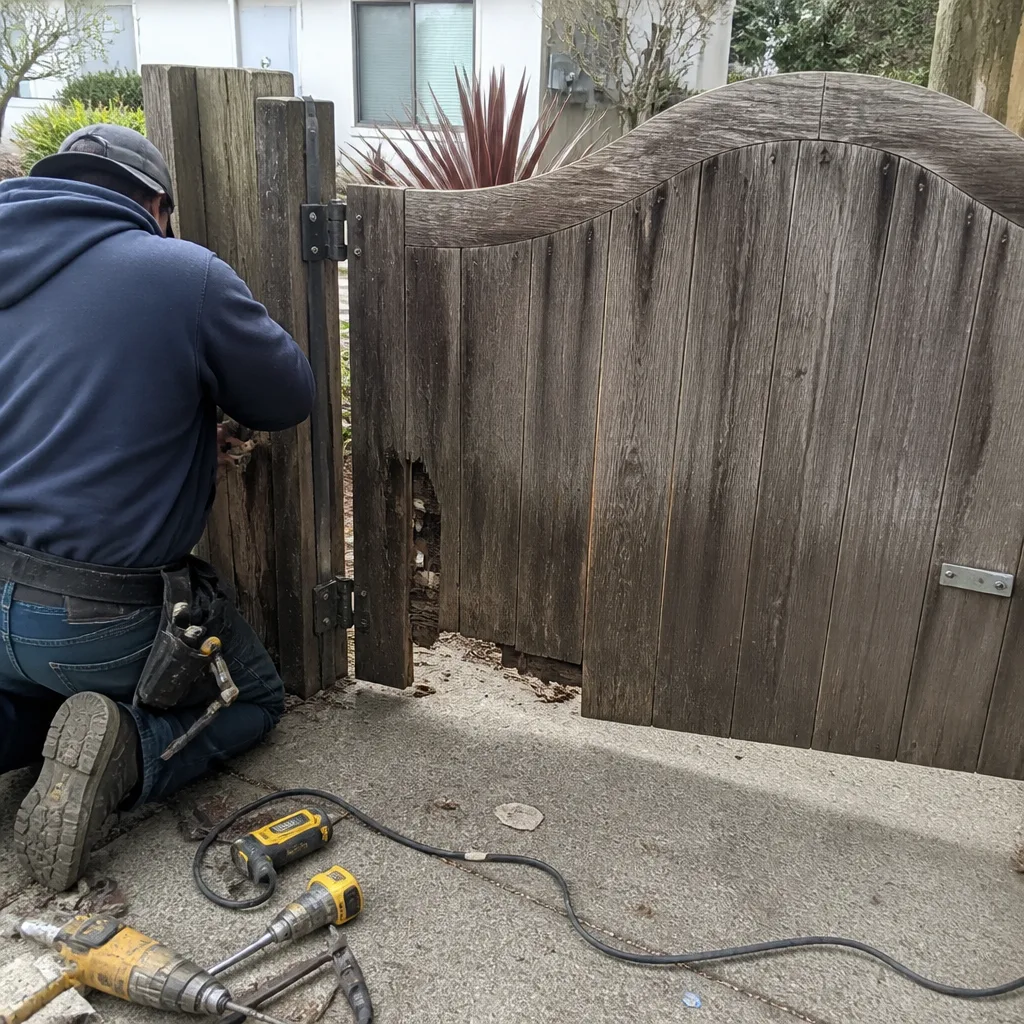 Before
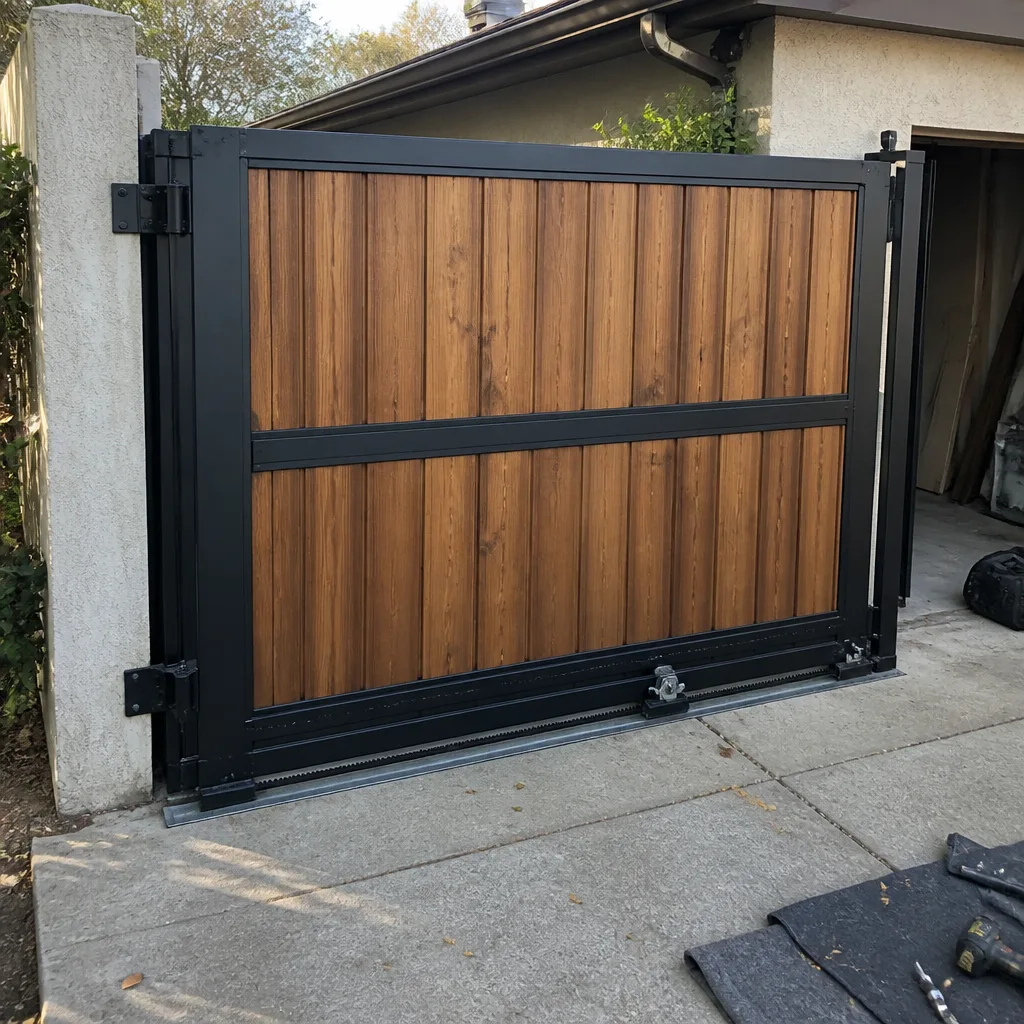 After
After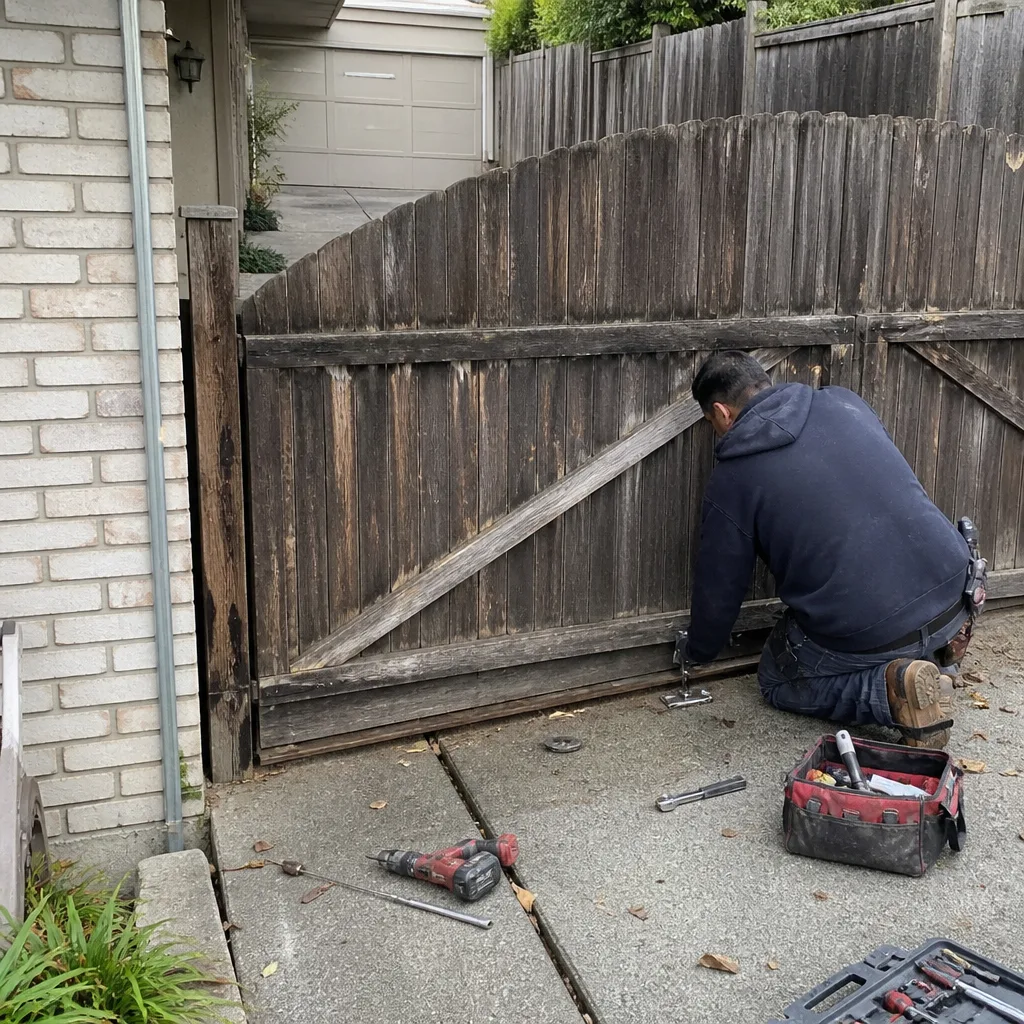 Before
 After
After Before
 After
AfterSeasonal Gate Repair Care for Richmond: Year-Round Homeowner’s Guide
Richmond’s summer fog deposits more salt on exposed gate hardware than most homeowners realize. The corrosion you notice in October started accumulating in June, which means summer is the inspection season most people skip and the one that matters most. In The Complete Guide to Gate Repair in Richmond, we’ll walk through what actually stresses gates in Richmond across four distinct periods, not generic calendar quarters. You’ll learn how clay-soil saturation, Carquinez Strait wind load, salt-fog corrosion, and dryout cycles each attack different components, and what to document so any technician who works on your gate next year has a baseline to work from.
Quick Answer
Seasonal gate care in Richmond means four targeted inspections per year: winter footing checks after clay-soil saturation, spring wind-load assessment for cantilever counterbalance, summer salt-fog inspection of hardware and coatings, and fall lubricant renewal plus battery backup testing before outage season. A simple four-entry annual log, updated each season, prevents the failures that Richmond’s specific climate patterns produce.
Table of Contents
- Winter: Clay-Soil Saturation and Post Movement
- Spring: Wind Load from the Carquinez Strait Gap
- Summer: Salt-Fog Corrosion Timeline
- Fall: Dryout, Lubricant Renewal, and Battery Testing
- How to Build a Four-Entry Annual Gate Log
- Common Mistakes to Avoid
- When to Call a Professional
- Frequently Asked Questions
 Before
 After
AfterWinter: Clay-Soil Saturation and Post Movement
Richmond sits on Bay Mud and alluvial clay deposits that expand when saturated and contract during dry spells. This isn’t abstract geology. It’s the reason gate posts lean, hinges bind, and sliding gates start catching in their tracks between December and March.
Clay soil can expand by 10 percent or more when fully saturated. For a gate post set 36 inches deep, that expansion pushes laterally against the concrete footing. When the soil dries, it contracts and leaves voids. The post tilts a fraction of an inch, the gate frame twists, and suddenly the latch won’t catch or the gate motor in Richmond strains against uneven load.
Here’s what to check after heavy winter rain in Richmond:
- Visual plumb check. Stand at the gate centerline and sight along the post edge. Any lean toward or away from the gate opening is worth noting. A post that was plumb in October and leans by February has moved.
- Latch alignment test. Close the gate manually. If the latch pin misses the catch by more than a quarter-inch where it once aligned, the frame geometry has shifted.
- Track gap measurement. On sliding gates, measure the clearance between wheel and track at three points: fully open, mid-travel, and fully closed. Record the numbers. A winter gap of 3/8 inch that shrinks to 1/8 inch by spring means the post or track support has settled or heaved.
- Concrete footing inspection. Look for new cracks radiating from the footing edge, or soil pulling away from the concrete. Either indicates movement.
In the Hilltop and Marina Bay areas, where fill soils vary more than in older Richmond neighborhoods, we’ve seen posts shift as much as half an inch in a single wet season. The key is catching it before the hinge bolts wallow out their holes or the gate motor’s limit switches lose their reference points. Once a post moves far enough, the motor thinks the gate is fully closed when it’s actually stopped against a twisted frame, and the actuator keeps driving until something breaks.
What we do when we find winter movement: we document the post angle with a photograph, measure the latch offset, and give the homeowner a written assessment of whether the post can be re-plumbed in place or needs re-setting. Under The Haven Standard, that assessment includes a written price for each option before any work starts. Most Richmond winter post issues are correctable with adjustment if caught early. Left through a second wet season, they usually require full post replacement.
Spring: Wind Load from the Carquinez Strait Gap
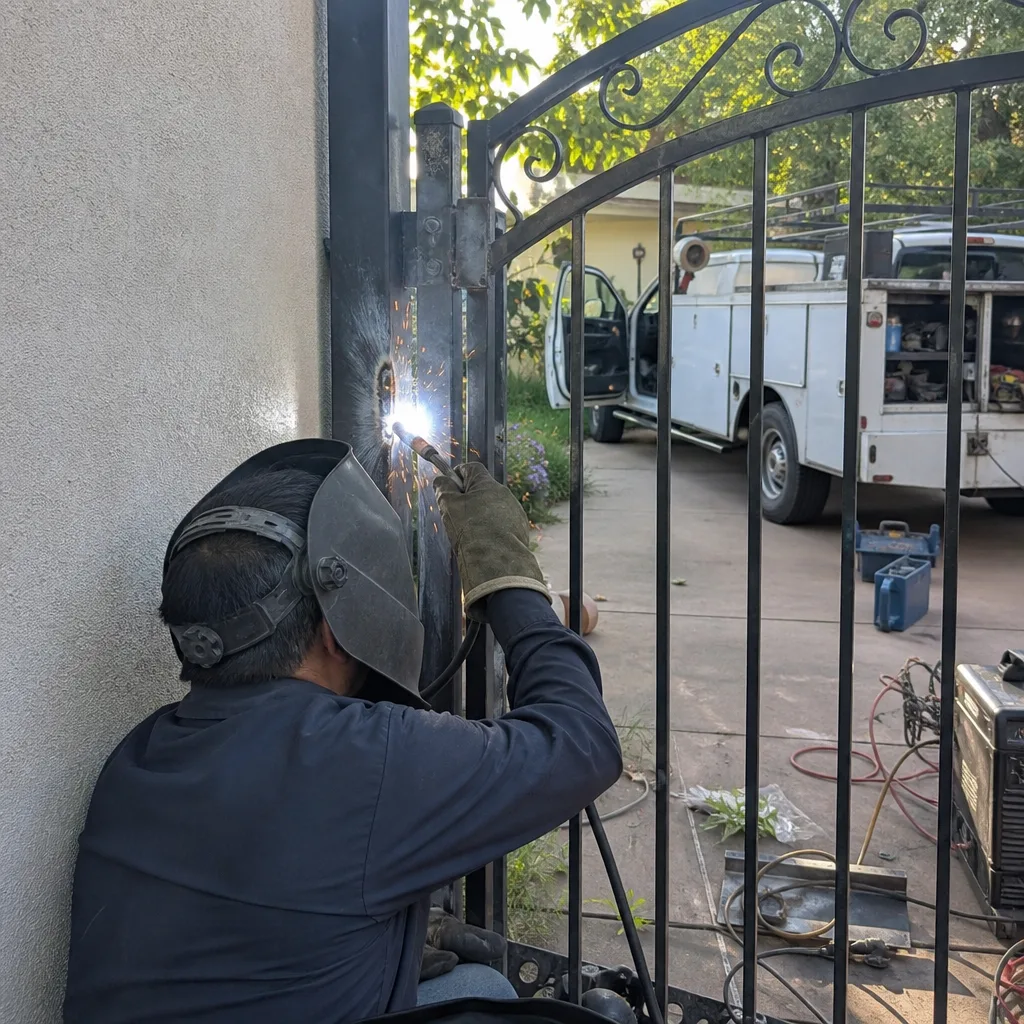
The Carquinez Strait creates a venturi effect that accelerates westerly winds through the gap between the Diablo Range and the Sonoma Mountains. For Richmond gates, particularly cantilever and large swing gates, this means spring wind load is a real structural consideration, not just an inconvenience.
A cantilever gate works like a diving board. The gate leaf projects from a set of counterbalance posts, and the rollers on those posts carry the load. When wind pushes against the gate face, that load transfers through the frame to the counterbalance section, which must be heavy enough and long enough to resist tipping. Spring in Richmond is when that balance gets tested.
Here’s what to measure after storm season:
- Counterbalance overhang. The cantilever’s tail should extend past the last roller by a specific ratio to the opening width, typically 40 to 50 percent. Measure it. If the gate was properly balanced at installation and the overhang has changed, something has shifted in the post or track system.
- Roller contact pattern. Look at the wear marks on the cantilever track. Even contact across all rollers means balanced load. Concentrated wear on the front or rear rollers indicates the gate is carrying wind load unevenly, which accelerates bearing wear and can cause the gate to jump track.
- Post deflection under load. On the next windy day, watch the counterbalance posts while the gate operates. Visible flex means the posts or their footings are undersized for the actual wind exposure at that site.
In Point Richmond and the waterfront areas, where wind exposure is highest, we’ve replaced counterbalance posts that were adequate for calm-day operation but flexed perceptibly during spring strait winds. The failure mode is cumulative: each flex cycle work-hardens the steel, fatigue cracks initiate at weld points, and one morning the post shears at the base plate.
For swing gates, spring wind load shows up as hinge stress. A double-leaf gate with a center stop should close against that stop with both leaves meeting squarely. If spring winds have stressed the hinges, one leaf may now strike the stop before the other, or the center gap may have opened. Check the gap with the gate closed. A gap that wasn’t there in fall means hinge wear, frame distortion, or post movement, any of which will worsen if ignored.
Spring is also when to verify that your gate operator’s wind-load settings are appropriate. Some operators, particularly FAAC and BFT models, have adjustable obstacle sensitivity that should be calibrated for expected resistance. Set too low, the gate stalls in wind and the motor overheats. Set too high, the gate doesn’t stop for actual obstacles. We document the correct setting for each installation and photograph the control board position so it’s recoverable if someone changes it.
Summer: Salt-Fog Corrosion Timeline
Richmond’s marine layer doesn’t just cool summer afternoons. It carries dissolved salt from the Bay and deposits it on every exposed metal surface. By August, a gate near the water can have a visible salt film. By October, that film has driven corrosion into any coating breach.
The corrosion timeline matters because damage is invisible for months. Here’s how it typically progresses on Richmond gates:
- June through July: Salt accumulates on horizontal surfaces and in crevices. The metal looks normal. This is when inspection matters most and happens least.
- August through September: White corrosion product appears at coating edges, bolt heads, and weld joints. Galvanized surfaces show white rust (zinc oxide). Painted surfaces blister at scratches.
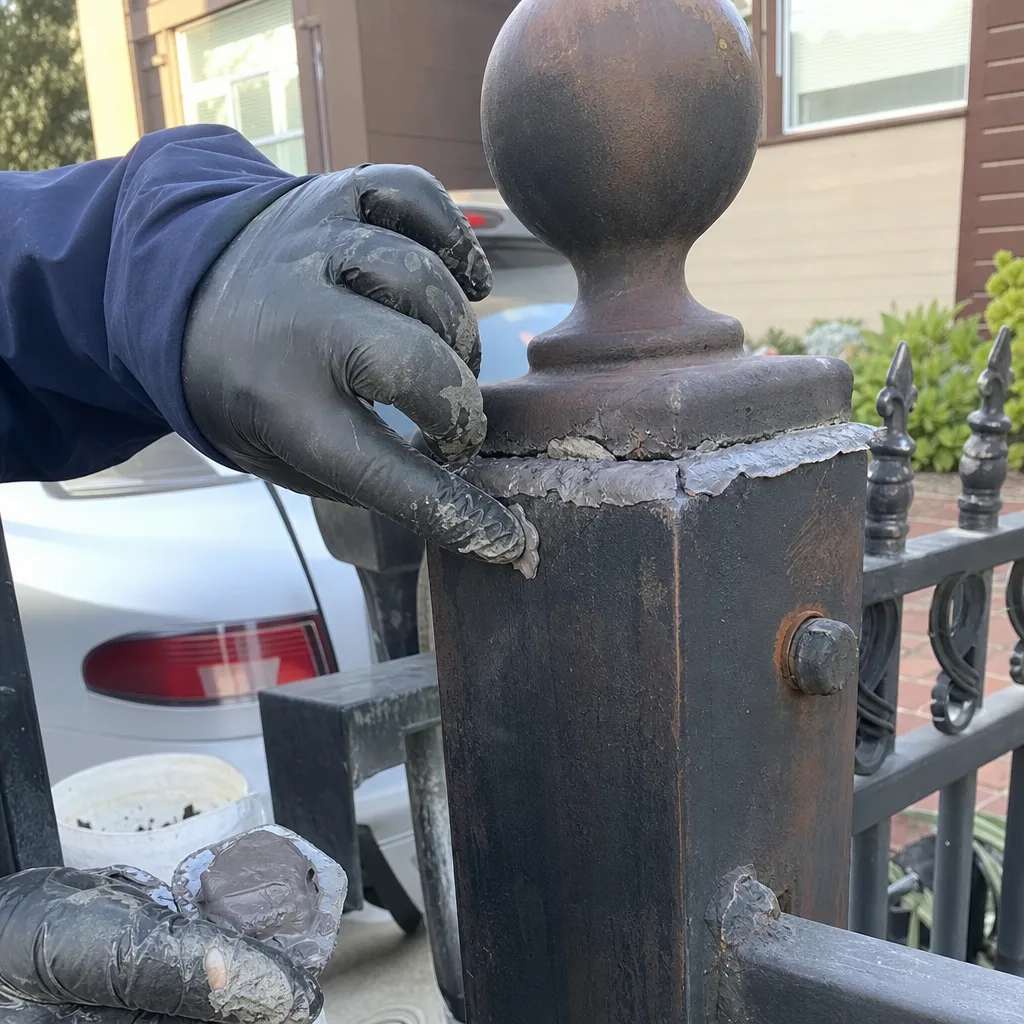
- October through November: Red rust appears where the coating has failed. Hinge pins, track brackets, and motor mounting hardware are common first failures. The gate may start binding or making noise as corrosion thickens mating surfaces.
Which metals fail first in Richmond’s salt fog:
- Plain steel: Unprotected or poorly painted steel shows red rust in one season. Hinge pins, adjustment bolts, and set screws are typical casualties.
- Zinc-coated (galvanized) steel: The zinc sacrifices itself first, producing white rust. This is protective until the zinc is consumed, then the underlying steel rusts rapidly. Galvanized chain and springs in Richmond typically need replacement in 5 to 7 years near the water, 8 to 10 years inland.
- Stainless steel: Grades 304 and 316 resist salt fog well, but 304 will pit in crevices where salt concentrates. We’ve replaced 304 hinge pins in Marina Bay that pitted through in four years. Grade 316 holds up better but costs roughly 40 percent more.
- Aluminum: Forms a protective oxide, but galvanic corrosion accelerates where aluminum contacts steel or copper. Check aluminum gate frames at steel bolt locations.
Which coatings hold in Richmond:
- Hot-dip galvanizing plus powder coat: The best combination for coastal exposure. The galvanizing protects at cut edges and scratches; the powder coat provides the primary barrier. Expect 10 to 15 years near the water.
- Epoxy primer plus polyurethane topcoat: Good chemical resistance, but requires proper surface prep. We’ve seen this fail in two years when applied over mill scale.
- Standard spray paint: Inadequate for Richmond’s salt exposure. Expect annual touch-up at best.
What to do in summer inspection:
- Wash the gate with fresh water, especially horizontal members and hardware. A garden hose is sufficient; pressure washing can drive water into sealed components.
- Inspect all fasteners for white or red corrosion. Replace any bolt or pin showing more than surface discoloration.
- Check motor enclosures for drainage. Water should not stand in the base. LiftMaster and Viking operators have specific drainage requirements; blocked drains void warranties and destroy control boards.
- Photograph every finding. This becomes your baseline for fall comparison.
The gate repair work we do in Richmond every October and November is largely preventable damage that started in June. Summer inspection is the single most cost-effective maintenance a Richmond gate owner can perform.
Fall: Dryout, Lubricant Renewal, and Battery Testing
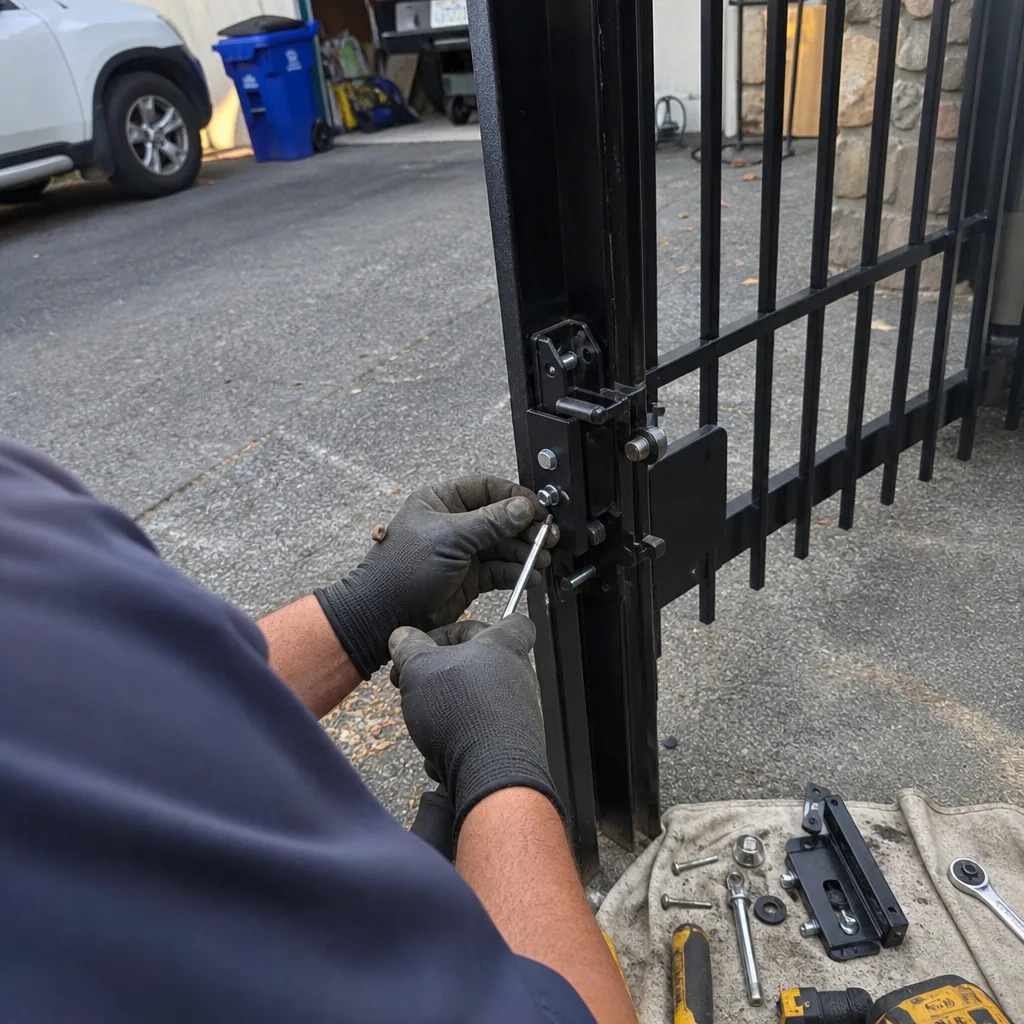
Richmond’s dry season runs roughly May through October, and by fall the clay soils that expanded in winter have contracted fully. This is when gate posts that heaved in wet conditions may settle back, sometimes leaving the gate better aligned than it was in spring, sometimes worse if the footing cracked during movement.
Fall is the renewal season. Here’s the schedule we recommend:
Lubricant re-application
Gate lubricants degrade from dust, UV exposure, and the salt film that accumulates even in dry months. By fall, the lubricant on hinges, rollers, and tracks is usually contaminated and should be refreshed.
- Hinges and pivot points: Clean old grease with a solvent, then apply lithium-based grease rated for outdoor use. Avoid general-purpose WD-40 as a lubricant; it’s a solvent and displacer, not a lasting lubricant.
- Track and rollers (sliding gates): Remove debris from the track channel. Apply a thin film of track lubricant, not grease, which attracts grit. Rollers should spin freely; any grinding or wobble means bearing replacement.
- Chain drives: Clean the chain with solvent, let it dry, then apply chain-and-cable lubricant. Grease on chain collects abrasive dust.
- Screw drives: These are typically self-lubricating, but check the manufacturer’s specification. Some Linear screw-drive operators need annual re-greasing of the ball nut.
Wooden gate inspection
Richmond’s dry summer causes moisture content in exterior wood to drop from 15 percent to 8 percent or lower. By fall, this produces checking (surface cracking) that wasn’t visible in spring. Check wooden gates for:
- Cracks that extend through the finish to bare wood, which will wick winter rain
- Loose or protruding fasteners as wood shrinks around them
- Delamination of laminated posts or rails
- Gate sag as wood members shrink and joints loosen
In the older neighborhoods near Richmond’s downtown, we’ve seen redwood gates that were tight in June develop quarter-inch gaps at frame joints by October. The fix is usually re-fastening with slightly longer screws and applying a penetrating oil finish before winter rain starts.
Battery backup testing
Richmond’s winter storms cause power interruptions, particularly in the hillside areas where trees overhang lines. Fall is when to verify that your gate operator’s battery backup will function when needed.
- Disconnect AC power to the operator. Most have a test mode; consult the manual for your specific brand.
- Attempt to operate the gate on battery power. It should complete at least 3 to 5 cycles at normal speed.
- Check the battery voltage with a multimeter if the operator has test points. A reading below 12.0 volts under load means replacement.
- Document the test date and result in your annual log.
Lead-acid backup batteries in gate operators typically last 3 to 5 years in Richmond’s temperature range. Lithium replacements are becoming available for some FAAC and BFT models and offer longer life but require compatible charging circuits. We specify the correct battery type in our documentation and photograph the installed unit so there’s no guesswork at replacement time.
How to Build a Four-Entry Annual Gate Log
The most valuable thing you can leave for any future technician is a year of baseline data. Without it, every visit starts from zero. With it, a technician can see that your track gap widened 3/16 inch between winter and spring, or that your battery voltage dropped from 12.4 to 11.8 volts over six months, and make informed decisions instead of guesses.
Here’s the format we recommend. It fits on one sheet of paper, one digital note, or one spreadsheet row per season:
| Entry | Date | Post Plumb (Y/N/degree) | Latch Offset (inches) | Track Gap (inches, 3 points) | Hardware Condition | Lubricant Date | Battery Voltage | Notes / Photos |
|---|---|---|---|---|---|---|---|---|
| Winter | ||||||||
| Spring | ||||||||
| Summer | ||||||||
| Fall |
What to photograph each season:
- Wide shot of the full gate and posts, from the same position each time
- Close-up of each hinge or roller contact point
- Control panel display or setting positions
- Any corrosion, cracking, or wear found
Store photos with dates in a dedicated folder. When you call for gate repair in Richmond, email the folder link or bring the log. A technician with this data can diagnose in minutes what might otherwise take an hour of investigation, and you’ll get a more accurate written price because the unknowns are reduced.
Under Clause 4 of The Haven Standard, we photograph every finding on every visit and leave a copy with the homeowner. If you’ve kept your own seasonal log, our documentation aligns with yours, and you have a complete multi-year record of your gate’s condition.
Common Mistakes to Avoid
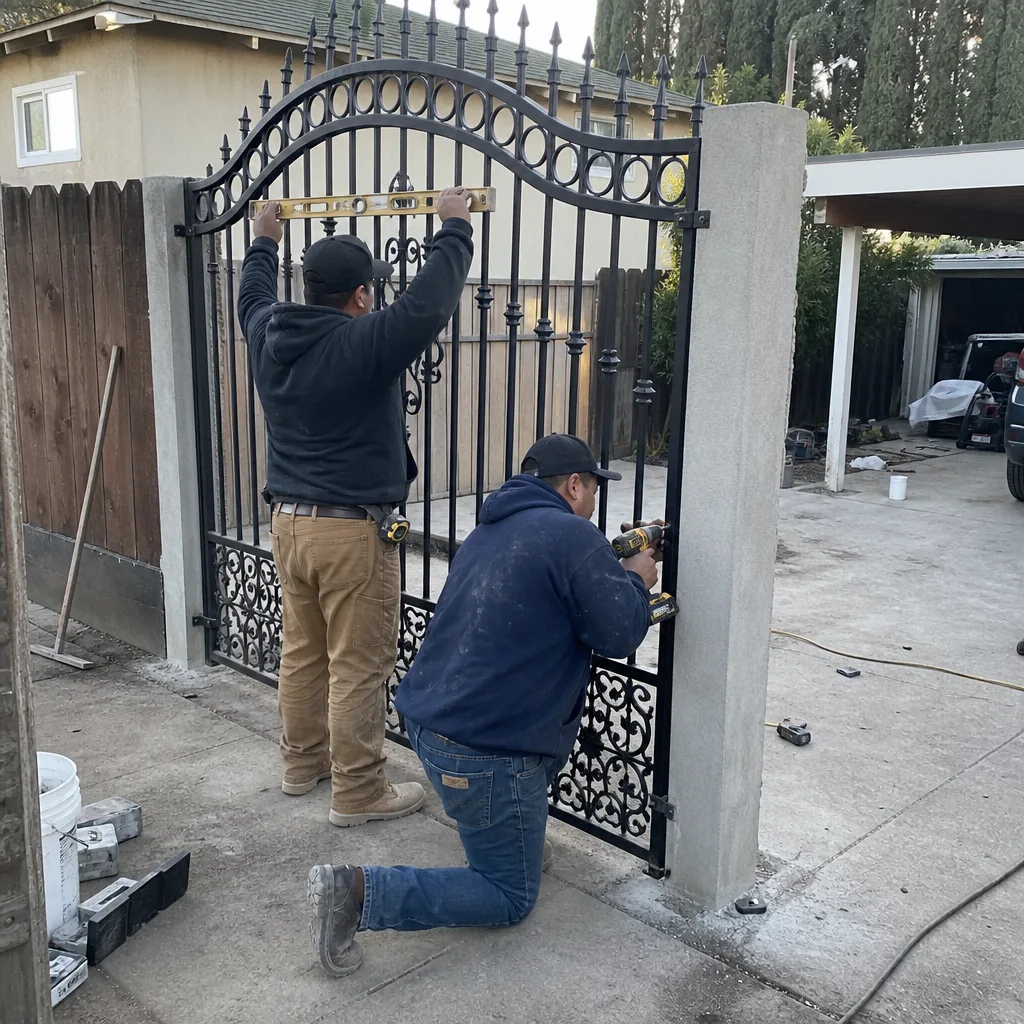
- Waiting for the gate to fail before inspecting. In Richmond, a gate that binds in winter was usually repairable in fall. The cost difference between adjustment and replacement is often 5 to 10 times.
- Using the wrong lubricant. General-purpose spray lubricants attract dust and form abrasive paste on outdoor gates. Use products specified for gate hardware, or ask us to specify for your installation.
- Ignoring summer salt accumulation because the gate looks fine. By the time corrosion is visible, the underlying metal has been attacked for months. Summer washing prevents October surprises.
- Testing battery backup by flipping the house breaker. This tests the whole property’s response, not the gate battery, and can damage electronics. Use the operator’s built-in test function.
- Adjusting limit switches without measuring travel first. If the gate is binding due to post movement, resetting limits masks the problem until the motor or frame fails. Always check mechanical causes first.
- Assuming all stainless steel is equal. Grade 304 near Richmond’s waterfront will pit in salt fog. If you’re replacing hardware in Marina Bay, Point Richmond, or other exposed locations, specify 316 or accept shorter replacement intervals.
When to Call a Professional
Some seasonal maintenance is within a homeowner’s scope. Some is not, and the boundary matters for safety and warranty preservation. See our DIY vs Professional Gate Repair: The Richmond Homeowner’s Decision Guide for help deciding.
Call a professional when:
- The gate post has moved more than 1/4 inch from plumb, or you can see new concrete cracks. Post re-setting requires proper excavation, formwork, and cure time.
- The gate motor stalls, reverses unexpectedly, or makes mechanical noise it didn’t make last season. These symptoms indicate mechanical or electrical issues that misdiagnosis can worsen.
- You’re considering hardware replacement and need to match existing components. Gate automation parts are not universally interchangeable; even hinge pins vary in diameter and length.
- The operator is under manufacturer warranty and you need service documentation. Self-service can void coverage.
Vance Gate Repair Richmond offers Gate Repair services with free estimates in Richmond. We’ll review your seasonal log, photograph current conditions under Clause 4, and provide a written price before any work starts. Call (510) 944-0953 to schedule.
Frequently Asked Questions
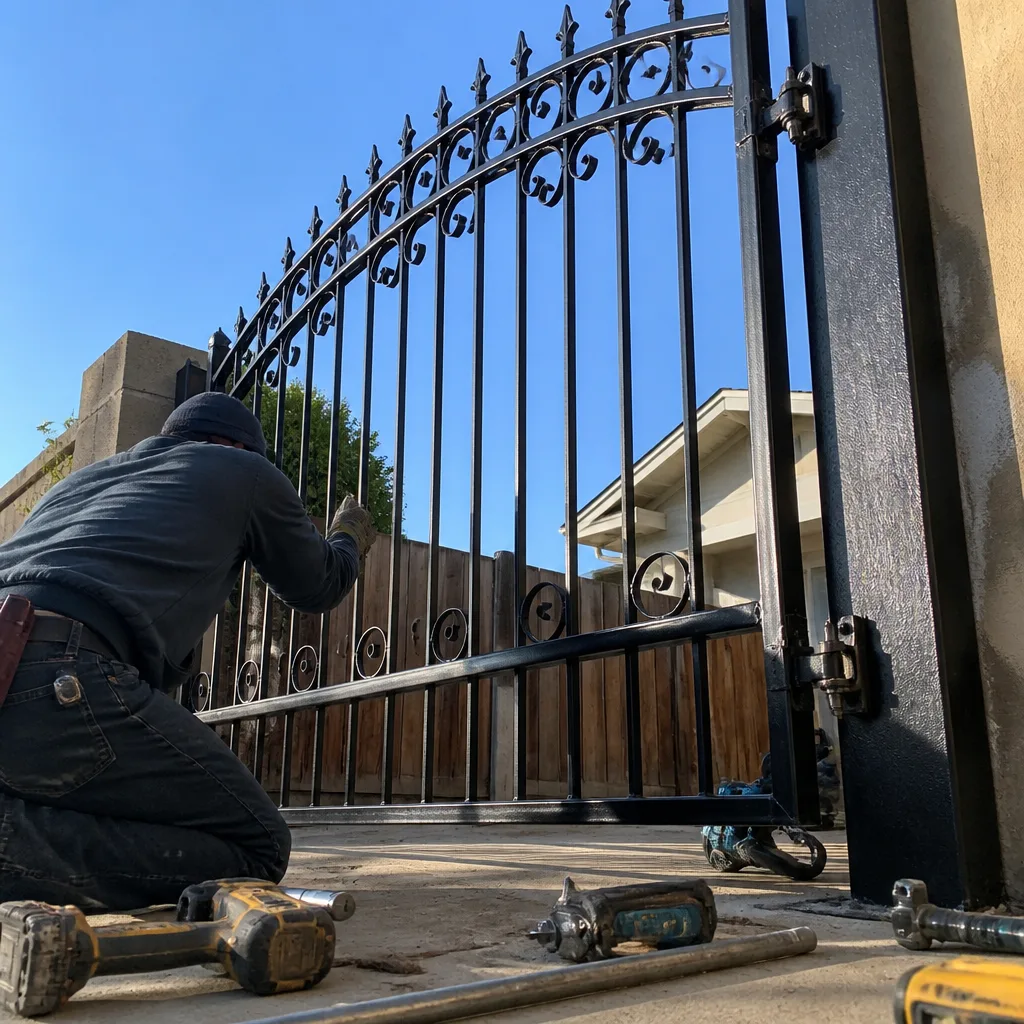
A professional seasonal inspection and adjustment typically runs $150 to $280, depending on gate type and access. This includes lubrication, hardware torque check, operator function test, and documented photo record. Repairs found during inspection are quoted separately in writing before any additional work. Call (510) 944-0953 for an exact quote on your gate.
Four times per year, aligned with the stress periods: after the first heavy winter rains, after spring wind season, during peak summer fog, and before winter outage season. Richmond’s climate is active enough that annual inspection misses two full cycles of soil movement and corrosion.
Homeowners can safely apply specified lubricants to accessible hinges, rollers, and tracks. We recommend having a technician handle operator-internal lubrication, sealed bearing replacement, and any adjustment that changes force or travel settings. Incorrect lubricant or over-application causes more problems than it solves.
Most likely clay-soil expansion has shifted the post or track support, changing the gate geometry. Alternatively, water intrusion into the operator enclosure or photo-eye housing causes electrical faults. Both are common Richmond winter issues that seasonal inspection catches early.
With proper enclosure maintenance and seasonal inspection, 10 to 15 years is typical for quality operators near the water, 15 to 20 years inland. Premature failure is almost always due to blocked drainage, corroded connections, or ignored limit-switch drift that causes the motor to stall repeatedly. We service nine major brands including FAAC, BFT, Linear, and Viking, and repair whenever feasible rather than defaulting to replacement.
First, verify that the battery backup is engaged and charged. Most operators have a manual release mechanism, typically a key switch or lever, that disengages the motor for hand operation. If the gate is still immovable, do not force it; the problem may be mechanical binding that could damage the frame or injure someone. Call for service and use your alternate access until the gate is diagnosed.
The Bottom Line
Richmond’s gate hardware faces four distinct stress periods, not a single generic “outdoor exposure.” Clay soils move in winter, strait winds load in spring, salt fog corrodes in summer, and dryout cracks wood in fall. A homeowner who inspects seasonally, documents findings, and maintains a four-entry annual log prevents the failures that otherwise appear as emergency calls. The cost of seasonal attention is a fraction of the cost of post replacement, motor rebuild, or full gate reconstruction. Start with summer inspection, the one most Richmond homeowners skip, and you’ll already be ahead of the corrosion timeline. For more guides & resources, visit our blog.
Written by Adrian Vance, Owner at Vance Gate Repair Richmond, serving Richmond since 2014.